" A state historic roadway"
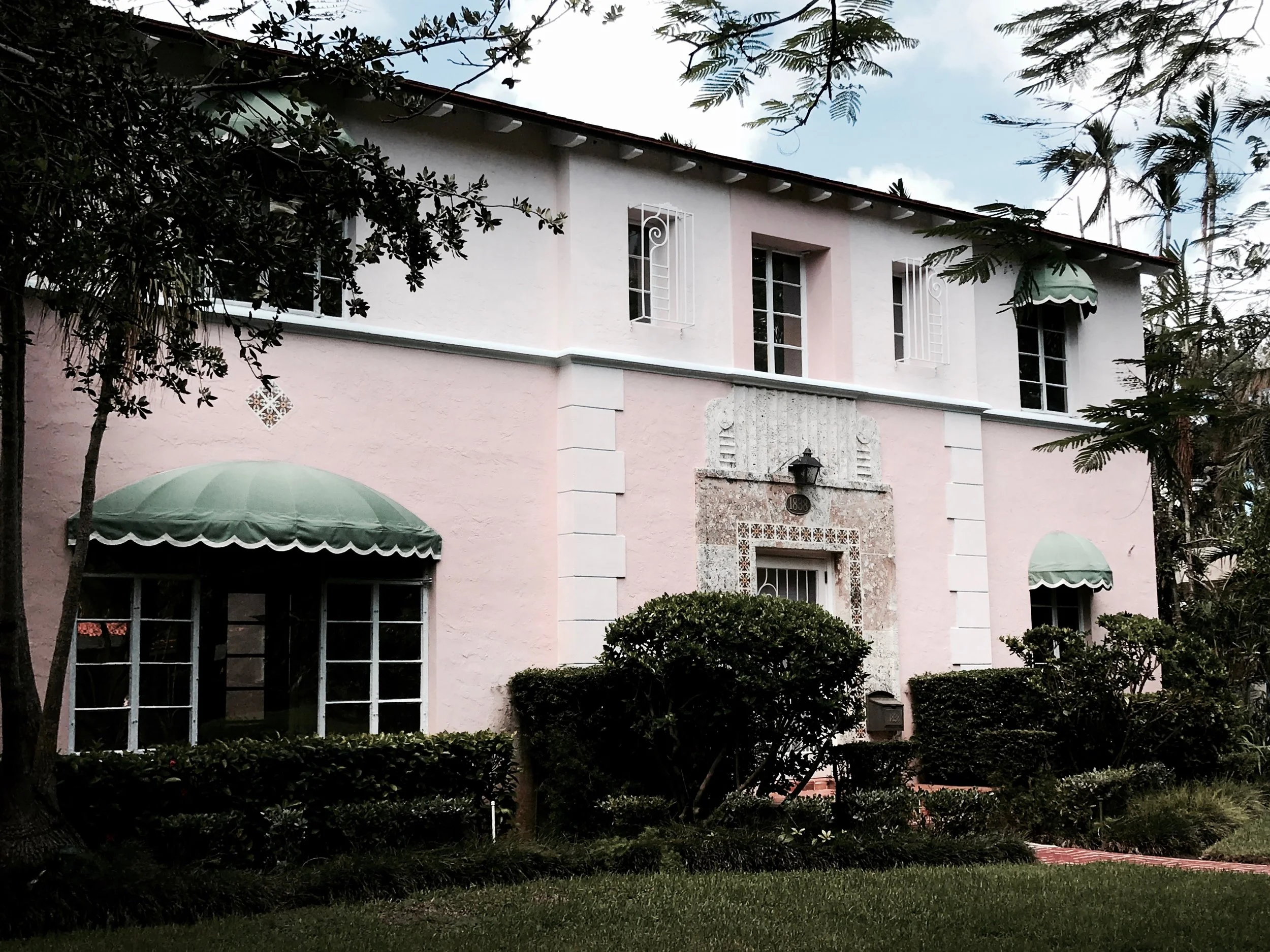
South Miami Avenue, photo by Nadia Bouzid
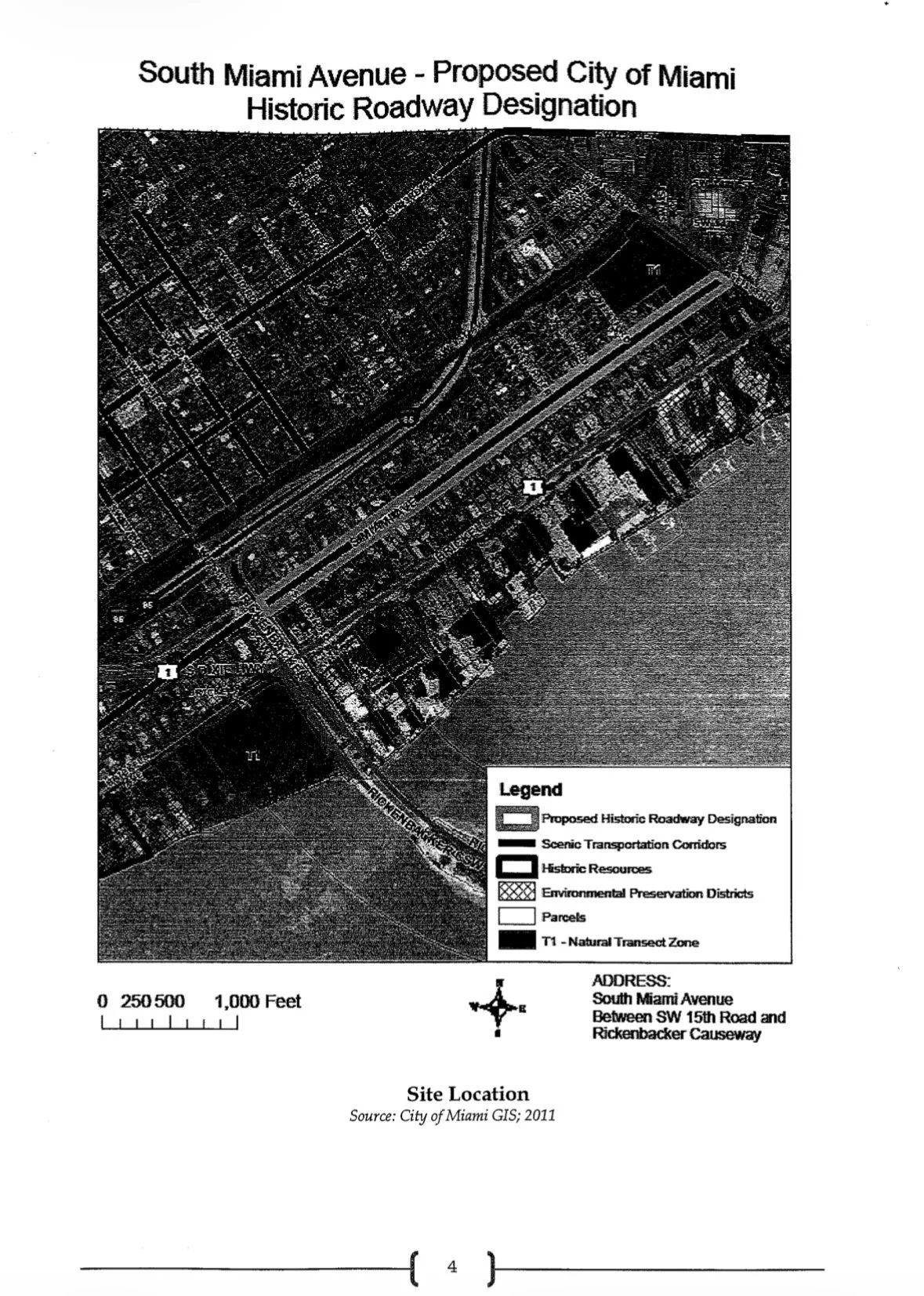
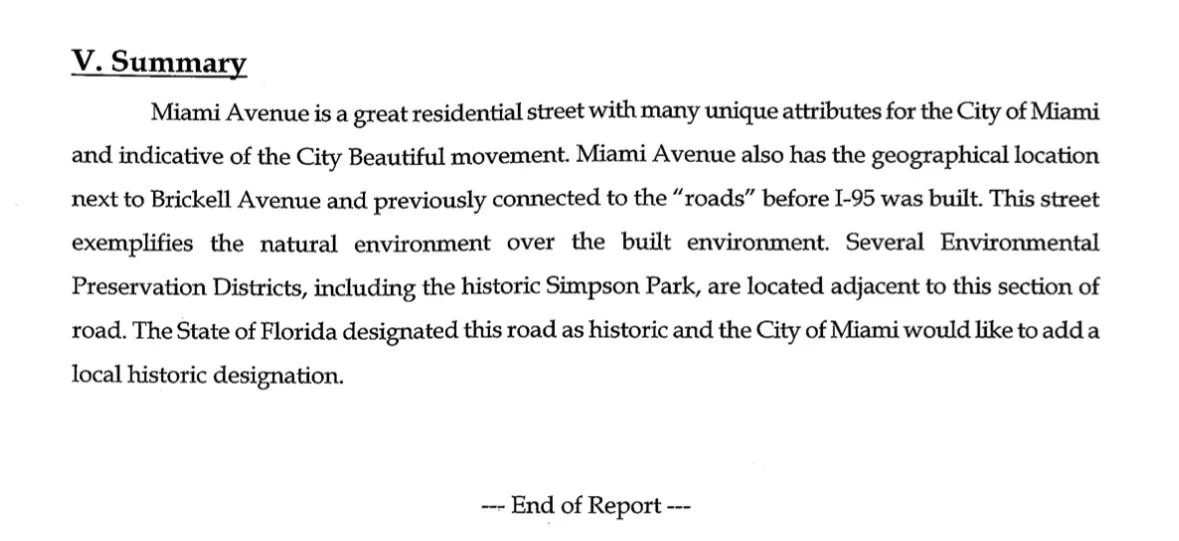
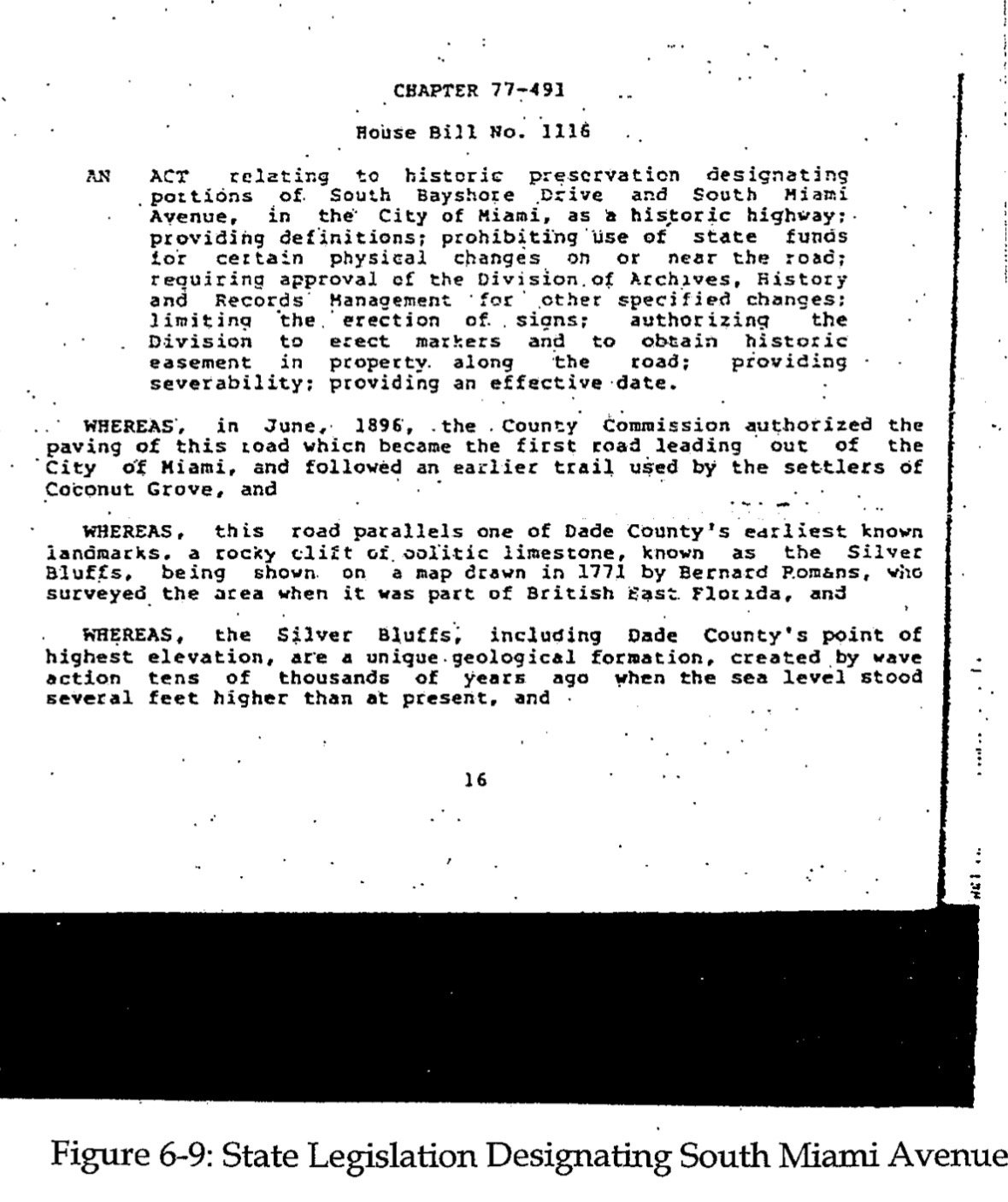
South Miami Avenue was designated a state historic highway in 1977. Its history goes back to a route connecting Miami and Coconut Grove, following an earlier trail, with road improvements authorized in 1896. The protected section extends from Halissee Street north to Simpson Park at 15th Road. Buying a house along it means understanding the protections attached to the road and landscape, as well as any designation affecting the house itself. Those are separate questions, and the word “historic” in a listing does not answer them.
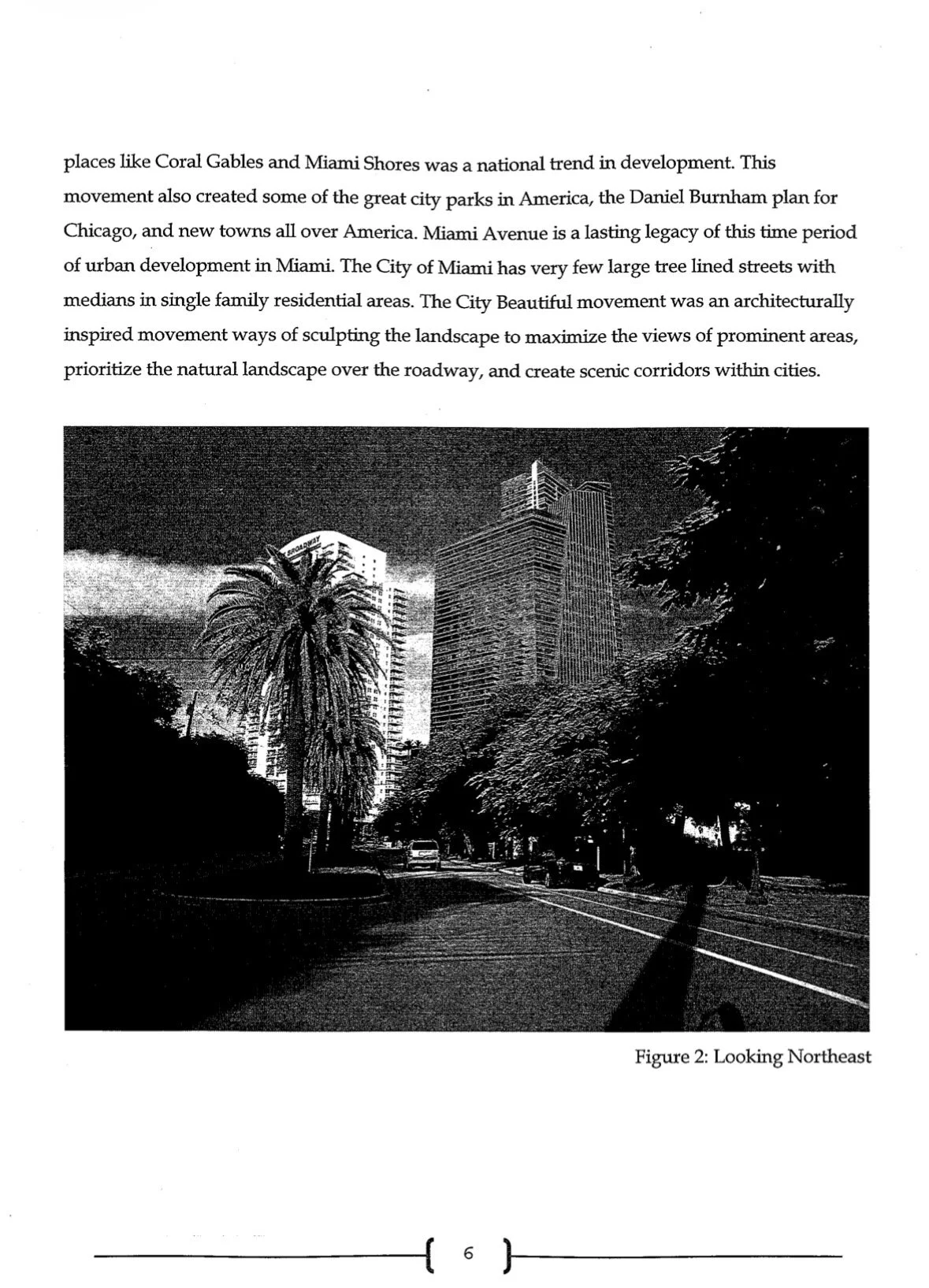
The residential avenue also preserves an approach to street design that gave considerable space to planting. The City’s 2011 study associates it with the early twentieth century City Beautiful movement and describes a 20 foot median, broad grassy swales and sidewalks, with less than half of the entire right of way paved. Canary Island date palms occupy the median, while royal poincianas grow along the verges. Their flowers are seasonal, generally appearing between May and July; the avenue’s proportions and established planting are there throughout the year.
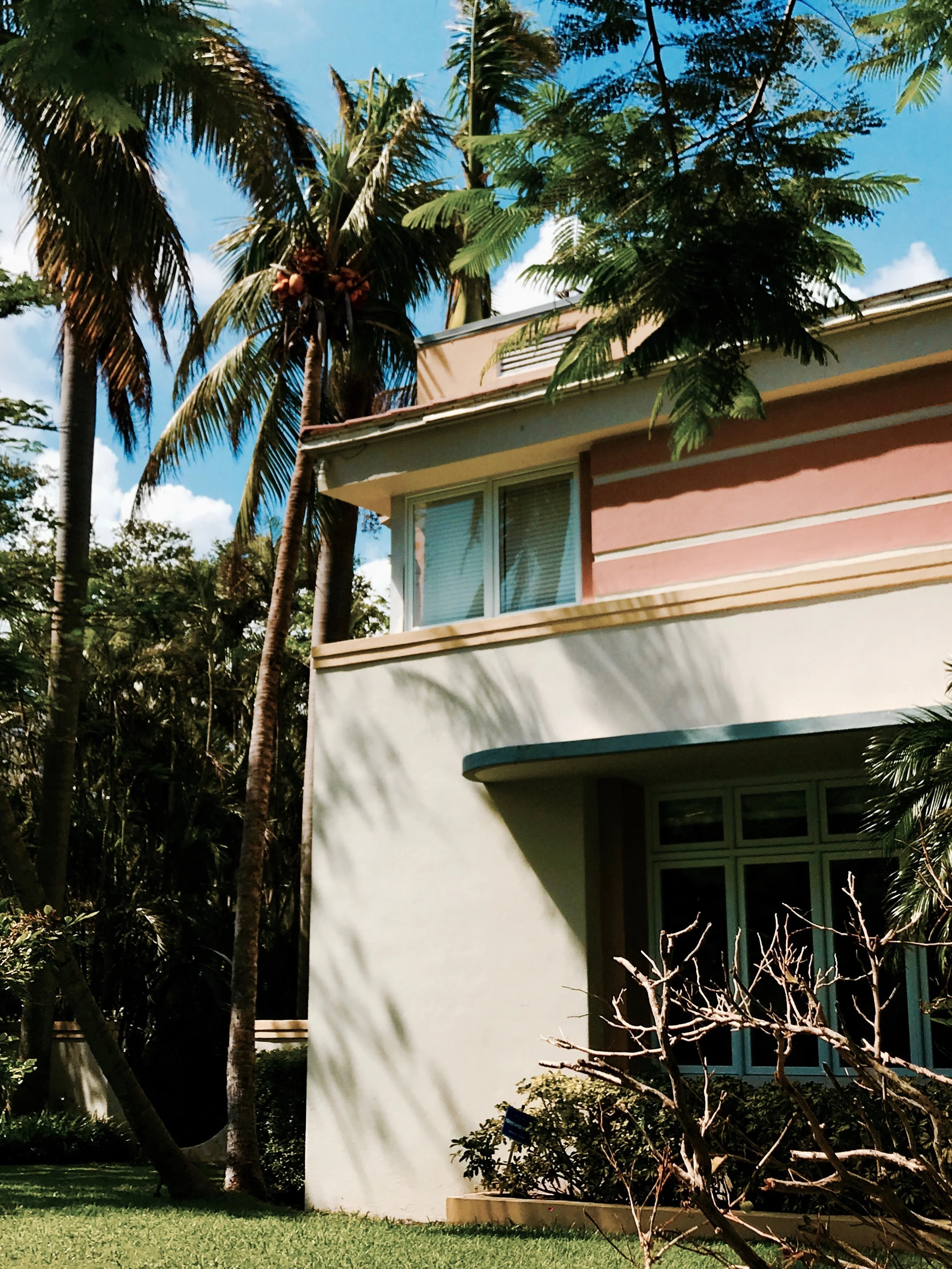
South Miami Av, photo by Nadia Bouzid
This is part of what makes living here different from living among the towers farther north. There are gardens, houses and room between the sidewalk and the traffic, while the offices, restaurants and shops remain close. Brickell City Centre opened on the same avenue in 2016. The convenience depends on the particular block, however. A house near Simpson Park and one near 25th Road offer different walks into Brickell, and the route matters as much as the distance on a map.
The state designation places limits on public works. The 1977 law restricts the use of state funds for specified tree removals, changes to the road’s dimensions and alterations to structures close to the pavement. It includes exceptions for ordinary maintenance and necessary public health or safety work, and gives preservation priority over traffic management where alternatives are available. These provisions help explain why the avenue has protection, but they should not be mistaken for a blanket prohibition on changes to every adjoining house.
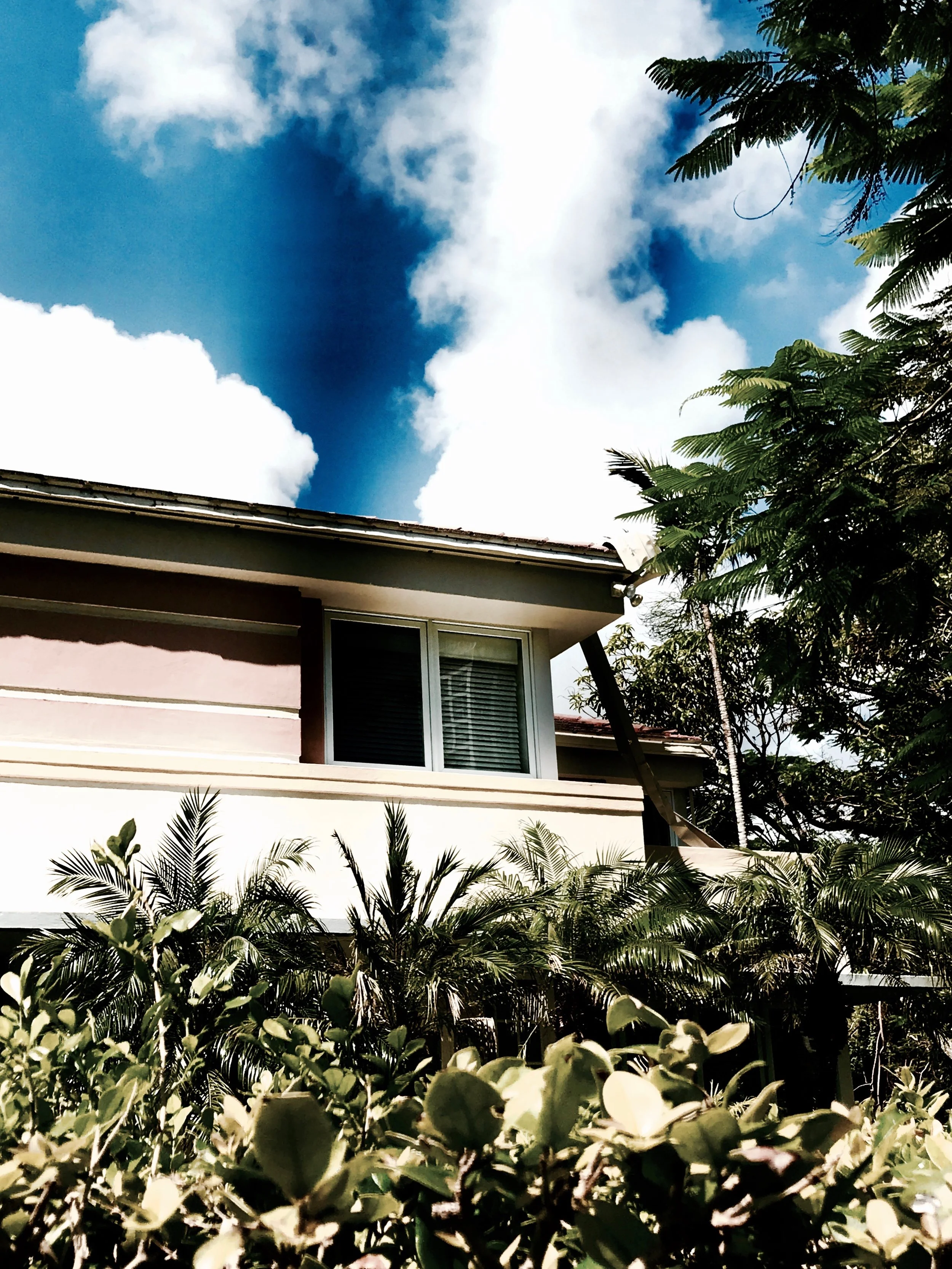
photo by Nadia Bouzid
For private property, the City’s scenic transportation corridor rules are particularly important. Depending on the designated boundaries, protection can extend into front yards and include significant trees and landscape features outside the public right of way. Development and tree removal within the protected area require preservation review and the appropriate certificate of approval before permits can be issued. Some applications can be handled by staff; others go before the Historic and Environmental Preservation Board. A proposed addition, pool, wall or driveway needs to be checked against those boundaries before a buyer assumes it can be built.
Trees can materially affect the design. The removal criteria generally do not allow a public right of way tree to be removed simply to accommodate garage access, although an exception exists where there is no other reasonable access. The City can also require a project to be redesigned to preserve valuable trees. A lot may look large enough for the proposed house or extension while leaving little flexibility once setbacks, existing trees and their protection are taken into account. The tree survey should be on the architect’s desk alongside the property survey.
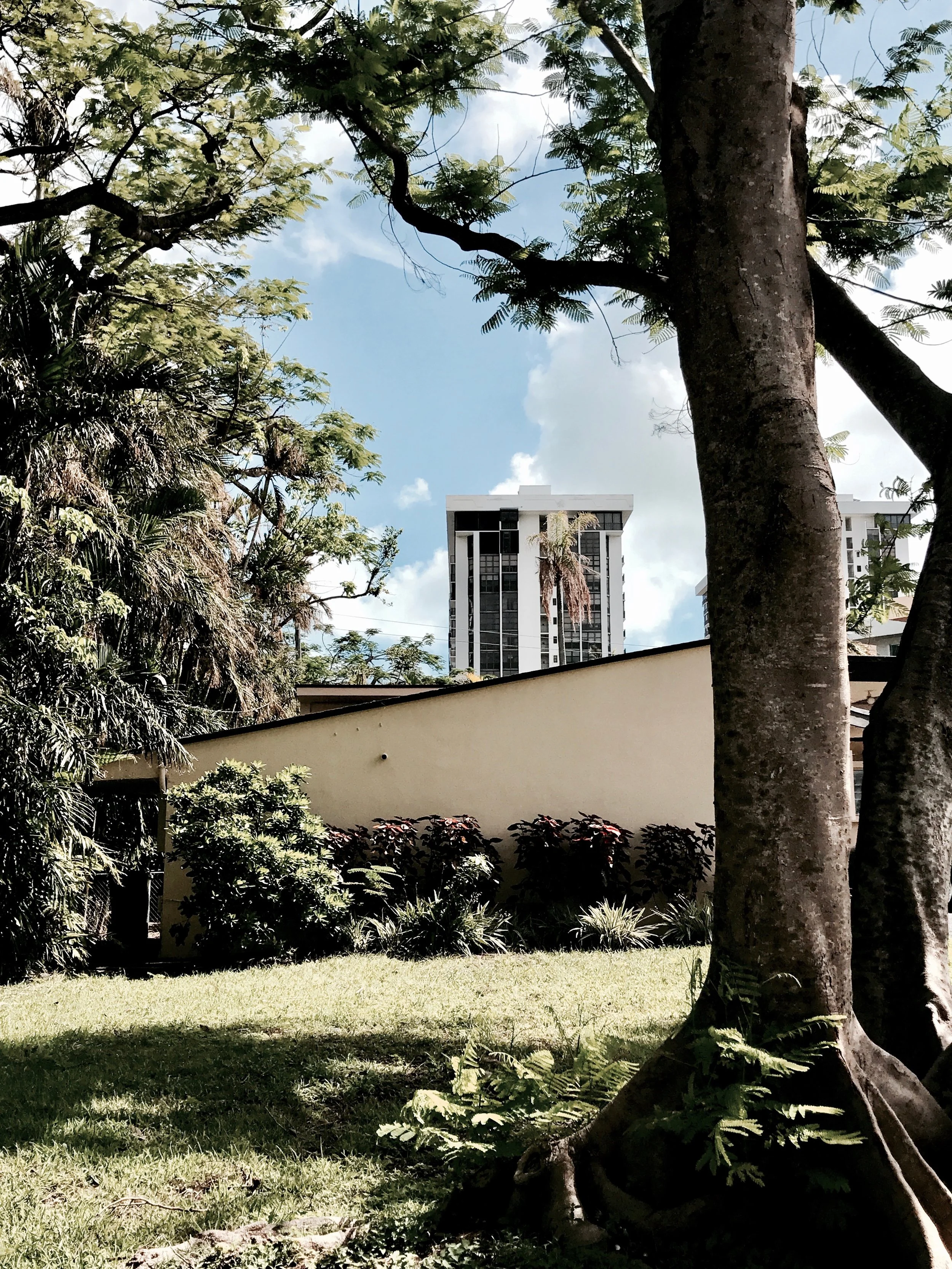
Photo by Nadia Bouzid
The building’s status must then be established separately. A historic roadway address does not prove that a house is individually landmarked, nor does the absence of an individual designation establish unrestricted permission to demolish or rebuild. Zoning, corridor controls and any other applicable protections still need to be checked. The City’s study identifies T3-R single family zoning along the residential corridor; the 2017 Miami 21 code regulates dwelling numbers, height, setbacks and building coverage. The development rights of nearby tower sites do not carry over to these lots.
For someone buying with renovations in mind, this work belongs before the purchase is settled. The survey should establish the property boundary, public right of way and easements, including how much of the apparent front lawn is actually within the lot. Existing additions and alterations should be matched to permits and final approvals. An architect can then assess the intended work against the zoning, preservation boundaries and tree locations. That is how to establish whether the house can accommodate the buyer’s plans, and what should already be reflected in the price.
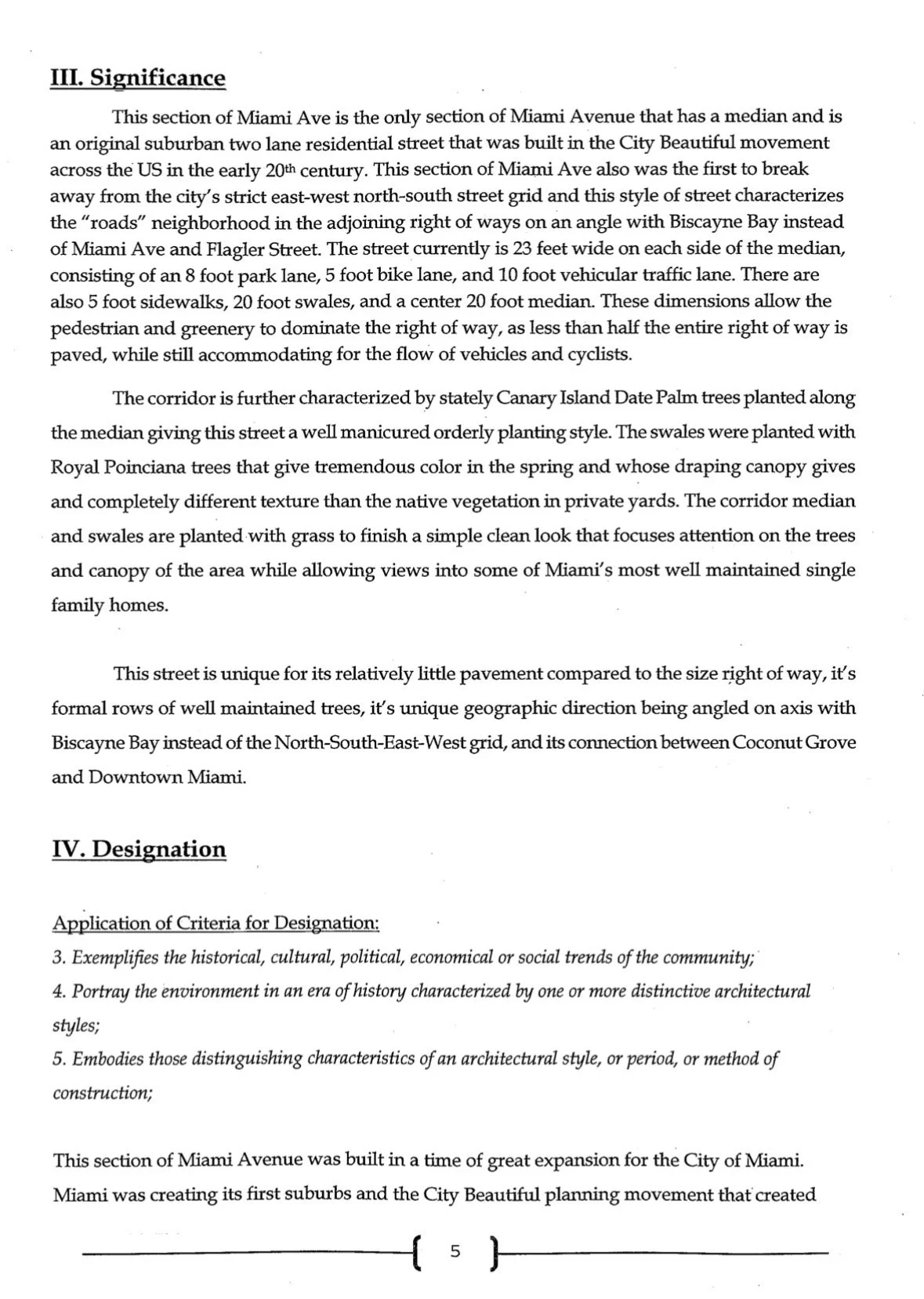

Blooming Poincianas on South Miami Avenue
The trees come from Madagascar. Their flowering season generally runs from May through July, so anyone who only knows Miami in winter has missed this part. Their crowns can grow wider than the trees are tall, with branches spreading over the pavement. The broad grassy verges along South Miami Avenue give them room to grow.