What Dior Was Doing in Allapattah
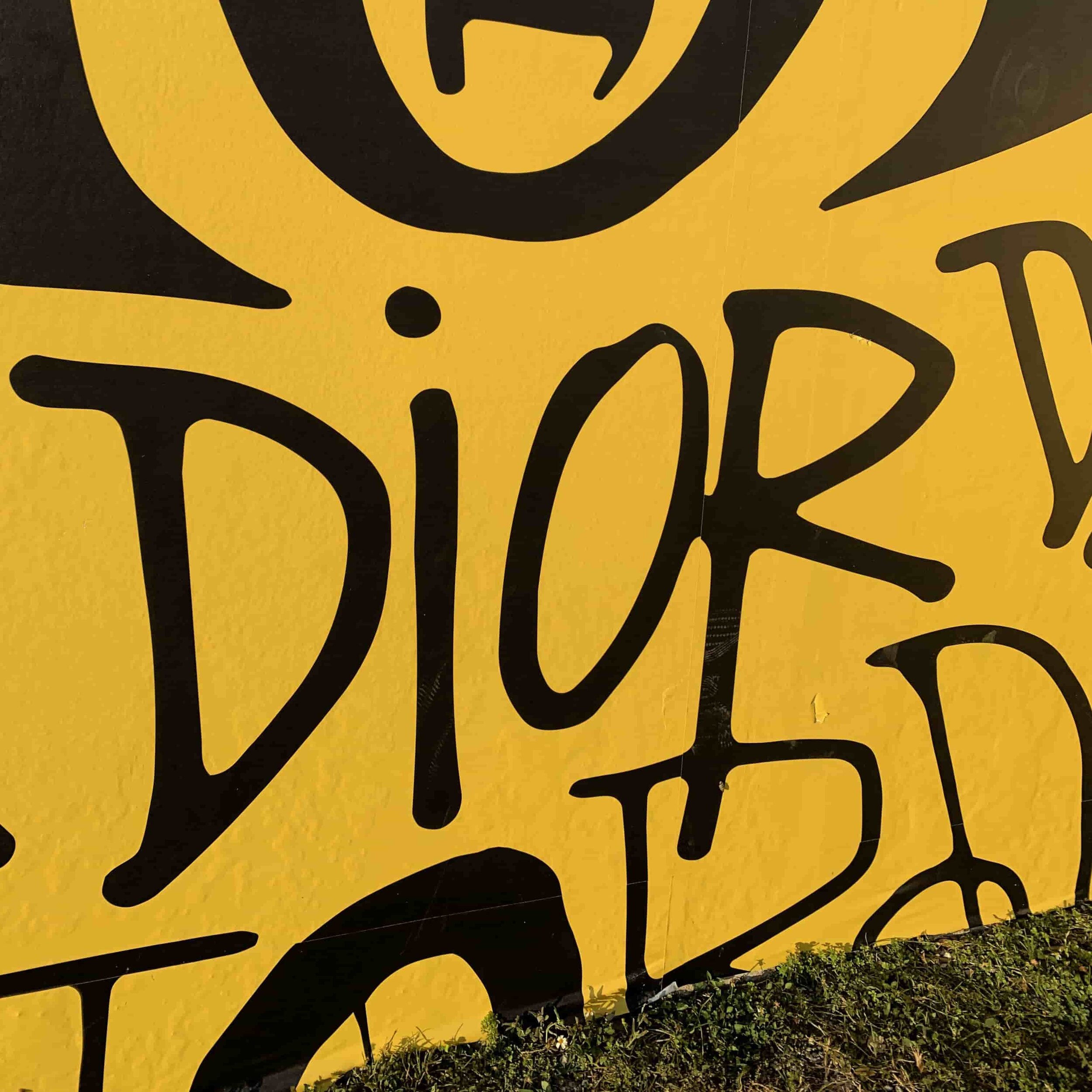
Photo by Nadia Bouzid
Dior showed its Fall 2020 men’s collection in Allapattah last week, across the street from the new Rubell Museum. Kim Jones had Shawn Stussy reworking the Dior lettering, the international fashion crowd had another address to find, and the Rubells were preparing to open their doors the following morning. It was quite a week for Northwest 23rd Street.
The Stussy distinction is worth making. Jones worked with Shawn Stussy, who left his namesake company in 1996. This was a collaboration with the person behind the handwriting and the surf references, rather than a partnership between the two fashion labels. His lettering carried through the collection and the warehouse setting. Anyone who grew up recognizing that signature on a shirt could appreciate seeing it take over Dior.
But the address is what makes this particularly interesting for Miami. The Rubells have left Wynwood for Allapattah, and Jorge Pérez has opened El Espacio 23 farther west on the same street. Two major private collections are now putting down substantial roots in a neighborhood whose warehouses have largely served food distribution and garment businesses.
At the Rubell Museum, Selldorf Architects has brought six industrial structures together into a 100,000 square foot campus. A loading dock has become a courtyard garden. New windows bring daylight into the buildings, and an internal street connects the spaces. The warehouses remain legible as warehouses, which is part of the pleasure of the project. There is no need to disguise what made them suitable for a collection of this scale.
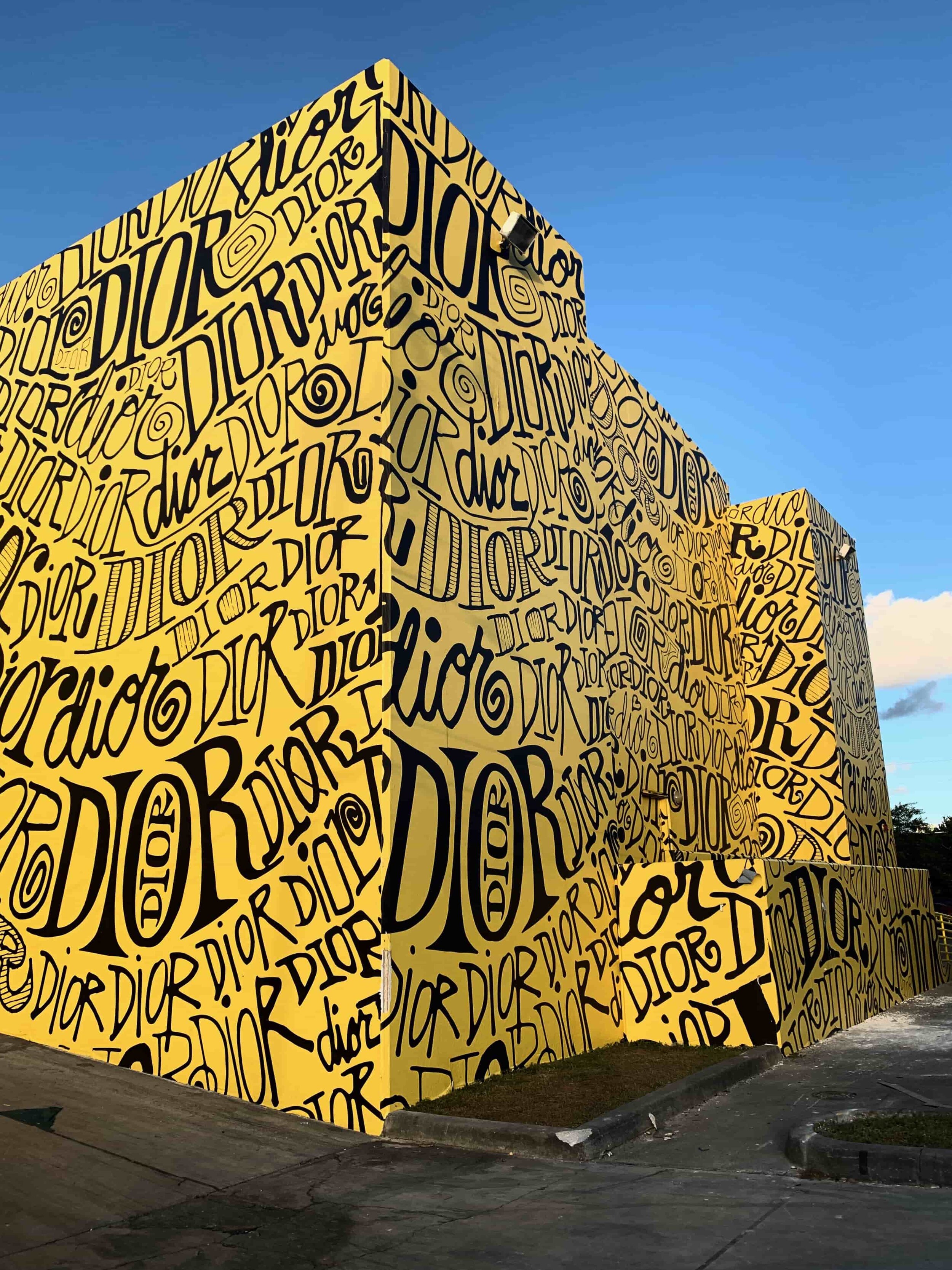
Photo by Nadia Bouzid
Pérez’s El Espacio 23 occupies another converted warehouse, this one measuring 28,000 square feet. Its inaugural exhibition, Time for Change: Art and Social Unrest in the Jorge M. Pérez Collection, includes close to 100 works by more than 80 artists. These are substantial commitments of space, with exhibition programs that give people a reason to make the trip outside the December circuit.
For someone looking at property here, the buildings deserve attention before the neighborhood acquires another fashionable description. Their industrial dimensions are allowing uses that would be difficult to accommodate in smaller commercial premises. Selldorf’s work shows how much can be achieved by adapting them. The existing building can be a reason to buy, rather than something to clear from the site.
That does not make every nearby warehouse a gallery prospect or every storefront a restaurant opportunity. A museum audience has particular hours and habits. Before underwriting a business on proximity to a collection, spend some time understanding where those visitors go afterward.
“Allapattah is the next Wynwood” is already an easy line. It also avoids asking much about Allapattah. There are businesses operating here, people living here and properties whose value is tied to uses that have nothing to do with Art Week.
Pérez’s inaugural exhibition addresses displacement and inequality. Its statement also proposes lasting relationships with the neighborhood’s residents. That is a commitment worth remembering as attention turns toward the surrounding real estate. The art inside these warehouses has plenty to say about what can happen outside them.