What Buyers Need to Know About Condo Associations in Miami
The rules beneath the surface, because you’re stepping into a living system
A building is only as good as the people running it
We talk about condominiums as if they are only buildings. We compare location, construction quality, views, amenities and price per square foot. We inspect the unit, study the floor plan and ask whether the kitchen needs to be updated. All of that matters. But at the end of the day, a condominium is inhabited and operated by people. Families, investors, board members, managers, employees and vendors. Everyone has a different relationship to the property and, sometimes, a different agenda.
That matters because the quality of a condominium is not determined only by how well it was built. It is also determined by how well it is run.
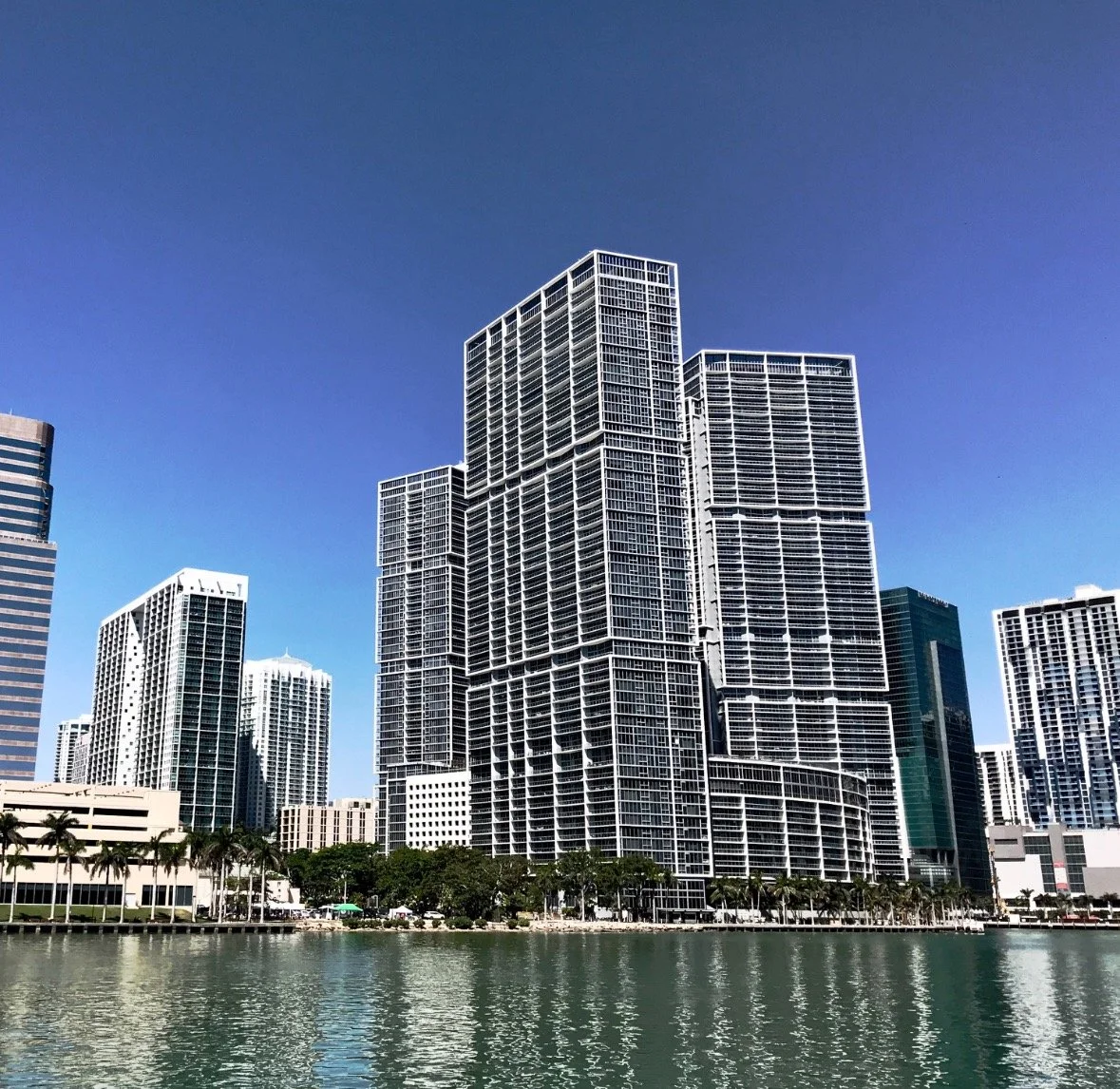
Brickell Condominiums | Photo by Nadia Bouzid
Two buildings can be the same age, sit on equally valuable land and have been constructed to similar standards, yet function completely differently. In one, the elevators work, the staff knows the property, repairs are handled before they become emergencies and owners receive clear information about what is happening. In the other, every issue requires six emails, three phone calls and someone finally losing their patience.
You can often feel the difference when you walk in, although it may be difficult to explain during a showing.
This is the part of buying a condominium that rarely photographs well. The lobby may be beautiful. The landscaping may be perfect. The view may be exactly what the buyer wanted. But none of that tells you how decisions are made behind the scenes, how responsibly the association’s money is managed or what happens when something goes wrong.
And eventually, something always goes wrong. Buildings age. Elevators need to be modernized. Roofs need to be replaced. Pool decks require waterproofing. Concrete deteriorates. Insurance becomes more expensive. Even the best building will need work. The real distinction is not between buildings that have problems and buildings that do not. It is between those that deal with problems intelligently and those that wait until there is no longer a choice.
This is why the monthly association fee should never be considered in isolation. Buyers understandably want to know how much they will pay each month, but the number alone says very little. A low fee may reflect efficient management, or it may mean the association has spent years collecting too little and postponing expenses. A high fee may indicate waste, or it may mean the building is honestly paying for the staff, insurance, maintenance and reserves required to operate properly.
The better question is not simply how much the fee is. It is what the fee is paying for.
There is no universal reserve percentage that proves an association is financially healthy. The needs of a newer building are different from those of an older waterfront tower with multiple elevators, extensive amenities, a seawall and decades of exposure to salt and humidity. The reserve balance has to be considered alongside the age of the building, the condition of its major components and the work expected over the next several years.
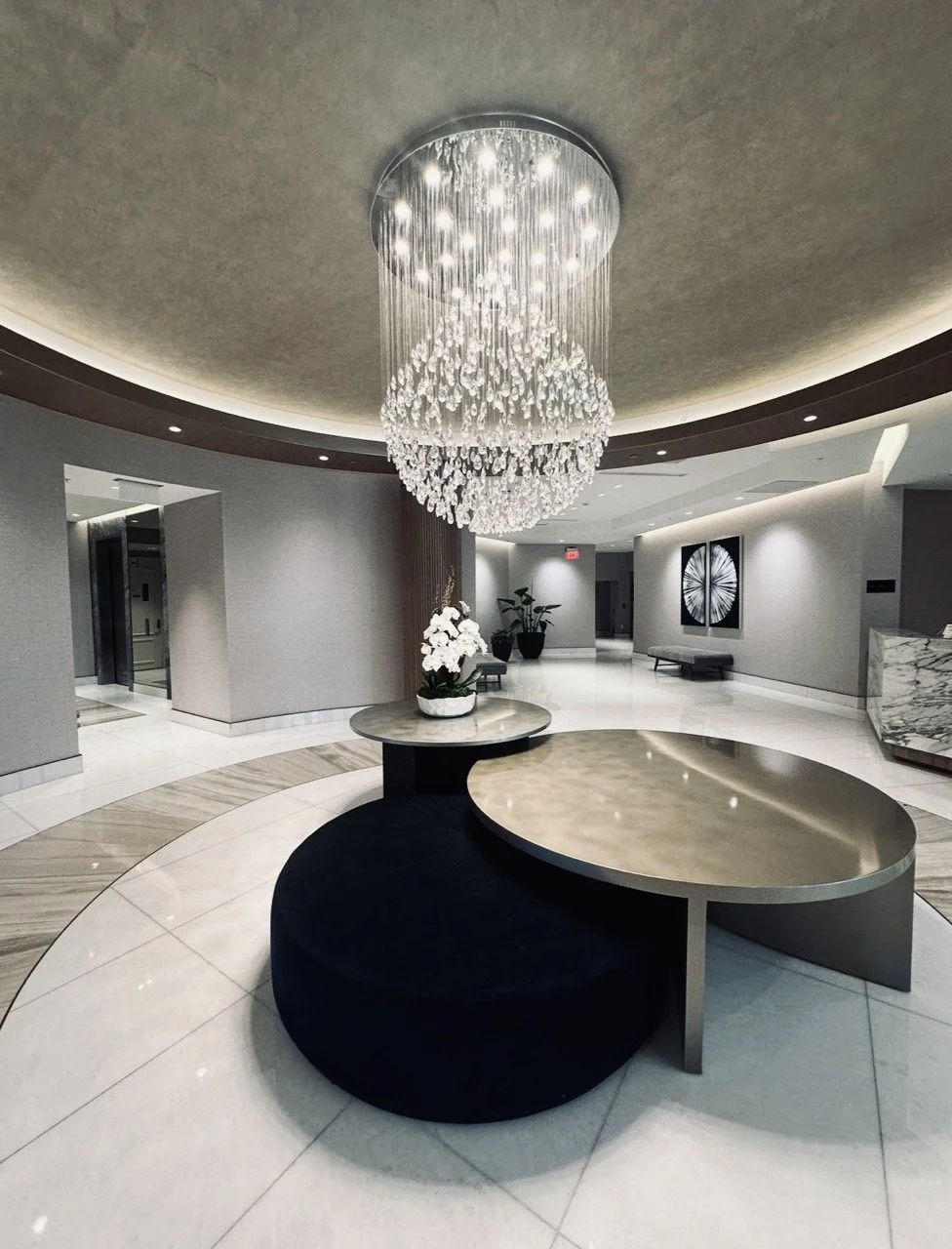
Brickell Key Condo Lobby | Photo by Nadia Bouzid
A large balance can provide comfort, but only if the assumptions behind it are realistic. If an elevator modernization was estimated years ago, does that estimate still reflect current costs? Has the board accounted for insurance increases? Are upcoming repairs already included in the budget, or is everyone hoping to deal with them later?
Sometimes the problem is not that the association has no money. It is that the money is not being managed with a clear understanding of what the building will need.
The board plays an enormous role in this. Residents elect its members, but most buyers never ask who they are, how long they have served or how they approach the property. Yet the board approves budgets, evaluates contracts, selects vendors, enforces rules and decides how quickly the association responds to risk.
Boards are made up of people, and people bring personalities, priorities and conflicts. One member may care deeply about long-term maintenance. Another may be determined to prevent the monthly fee from increasing. Someone may have joined because of a dispute that happened five years ago and never really ended. Occasionally, a competent group is doing difficult and mostly thankless work while being accused of conspiracy by people who have never attended a meeting.
A condominium is a democracy, but democracy does not automatically produce good management. It simply gives owners a process through which decisions can be made. The quality of those decisions still depends on the people making them.
In Miami, ownership itself can complicate that process. Many units, particularly in luxury buildings, are held through LLCs or owned as second homes and investments. The owners may spend only part of the year in Miami. Some are highly involved. Others barely open the association’s emails.
When an important vote is required, the building suddenly has to find its own ownership. Notices are sent to outdated addresses. Ballots go unanswered. A project stalls because the association cannot reach the necessary threshold. The repair becomes more expensive while everyone waits, and the eventual assessment arrives as if the problem appeared overnight.
Management is another part of the system. A recognized management company can provide structure, reporting and professional procedures, but the name of the company does not tell you everything about the experience inside a specific building. Much can depend on the individual property manager, the relationship between management and the board, the stability of the staff and how openly information is shared with owners.
Does management respond when something goes wrong? Does the staff stay long enough to understand the property? Are owners told about problems early, or only after the decisions have already been made? Are contracts reviewed carefully? Are multiple bids obtained when required? Is there a clear explanation for how money is being spent?
Transparency is not simply uploading a financial statement to a portal. A building can provide plenty of documents while making it surprisingly difficult to understand what is actually happening. Real transparency means that owners can follow the relationship between the condition of the property, the decisions being made and the money being collected.
Florida has tightened condominium inspection, reserve and disclosure requirements in recent years. Under the current framework, qualifying buildings generally become subject to milestone inspections at 30 years, and every 10 years afterward, although local conditions may lead an enforcement agency to require the first inspection at 25 years. These inspections focus on the building’s structural condition. Structural integrity reserve studies address how associations plan to fund major structural and safety-related components over time. Florida DBPR milestone inspection guidance
In 2025, Florida enacted House Bill 913, which extended the initial structural integrity reserve study deadline for certain associations to December 31, 2025. The legislation raised the statutory threshold for certain reserve items from $10,000 to $25,000, subject to inflation adjustments, and gave qualifying associations additional ways to fund reserves and major repairs.
The law also allows certain associations, under limited conditions and with approval from a majority of all voting interests, to pause or reduce reserve contributions for no more than two consecutive annual budgets so that money can be directed toward repairs recommended by a recent milestone inspection. This is not permission for every building to stop funding reserves for two years. The requirements, purpose and owner approval all matter. Florida Senate summary of HB 913, Chapter 718, Florida Statutes
The same legislation extended the cancellation period for buyers purchasing resale condominiums from three days to seven days, excluding Saturdays, Sundays and legal holidays, after receiving the required documents. Depending on the building, those materials may include the declaration, bylaws, rules, current budget, year-end financial statement, milestone inspection summary and structural integrity reserve study.
The additional time and information help, but documents do not manage buildings. People do.
An engineering report can identify deterioration, but it cannot force a board to act with urgency. A reserve study can estimate future expenses, but it cannot make owners accept the cost. Competitive bids can show what a project should cost, but they cannot guarantee that the right vendor will be selected or that the work will be supervised properly.
The most important thing to understand is how a building responds when the information is inconvenient.
Do the same problems appear repeatedly in the board minutes? Are projects approved and completed, or discussed and carried forward from one meeting to the next? Does the board communicate openly before an expense becomes a crisis? Is the association willing to make unpopular decisions when they are necessary for the property?
A special assessment is not automatically proof that a building has been mismanaged. Major work has to be paid for, and sometimes circumstances change faster than any reasonable budget could have anticipated. The more revealing question is whether the expense was truly unexpected or simply postponed until it became impossible to ignore.
The rules are part of this human system as well. Rental restrictions, pet policies, renovation procedures and approval requirements shape how owners can use their property. They also affect liquidity. A building that limits rentals or makes renovations unnecessarily difficult may narrow its future buyer pool, even if the restrictions work perfectly well for its current residents.
Rules can protect a building’s quality of life. They can also become a substitute for judgment. What matters is how consistently and reasonably they are enforced, and whether owners understand the kind of community they are entering before they buy.
This is why reviewing a condominium cannot stop with the unit. The budget, financial statements, reserve study, engineering reports, litigation disclosures and board minutes all matter. So does walking through the garage, noticing the service areas and speaking to the people who work there. Staff members often understand the building in a way no marketing brochure ever will. They know which problems were repaired, which ones keep returning and which ones have simply been renamed.
At the end of the day, a condominium is private property governed through shared responsibility. You own your unit, but you depend on other people to protect much of what gives that unit value. You are trusting the board, management and staff with part of your property and part of your money.
We consider it completely normal for citizens to ask where their tax dollars are going and whether public institutions are using them responsibly. An association fee should not be treated differently. You pay it every month for the operation, maintenance and preservation of a property you own. The management of those funds should be transparent, competent and carried out with the best interests of the owners in mind.
That does not always mean choosing the cheapest option. It does not mean avoiding every assessment or keeping monthly fees artificially low. Sometimes acting in the owners’ best interests means spending more today to prevent a larger problem tomorrow. Sometimes it means delivering news no one wants to hear.
The location matters. The construction matters. The view certainly matters. But once the purchase is complete and real life begins, what may matter most is how smoothly the building runs and whether the people responsible for it understand that they are managing someone else’s property, money and trust.
A condominium may be governed democratically. It is still your property. And you have every right to know how it is being run.
Questions Worth Asking Before Buying Into a Condominium
What major repairs or capital projects are expected within the next five years, and how will they be funded?
Does the current reserve study reflect today’s construction costs?
Have any special assessments been discussed, approved or recently completed?
Which issues appear repeatedly in the board minutes without being resolved?
What percentage of owners are delinquent on their association payments?
Is the building involved in any pending litigation or insurance claims?
When was the most recent milestone inspection completed, and were additional repairs recommended?
How long have the property manager and senior staff been with the building?
Which major management, maintenance and insurance contracts are approaching renewal?
Are important decisions being delayed because the association cannot obtain enough owner participation?
Sources: