Your Miami Condo Might Already be on a Developer’s Spreadsheet
Somewhere in Miami right now, a developer has a spreadsheet with your building on it. Not because anything is wrong with it. Because the land under it is underbuilt relative to what current zoning allows, and they have been tracking the ownership composition, reserve funding status, and sale history for longer than you would be comfortable knowing.
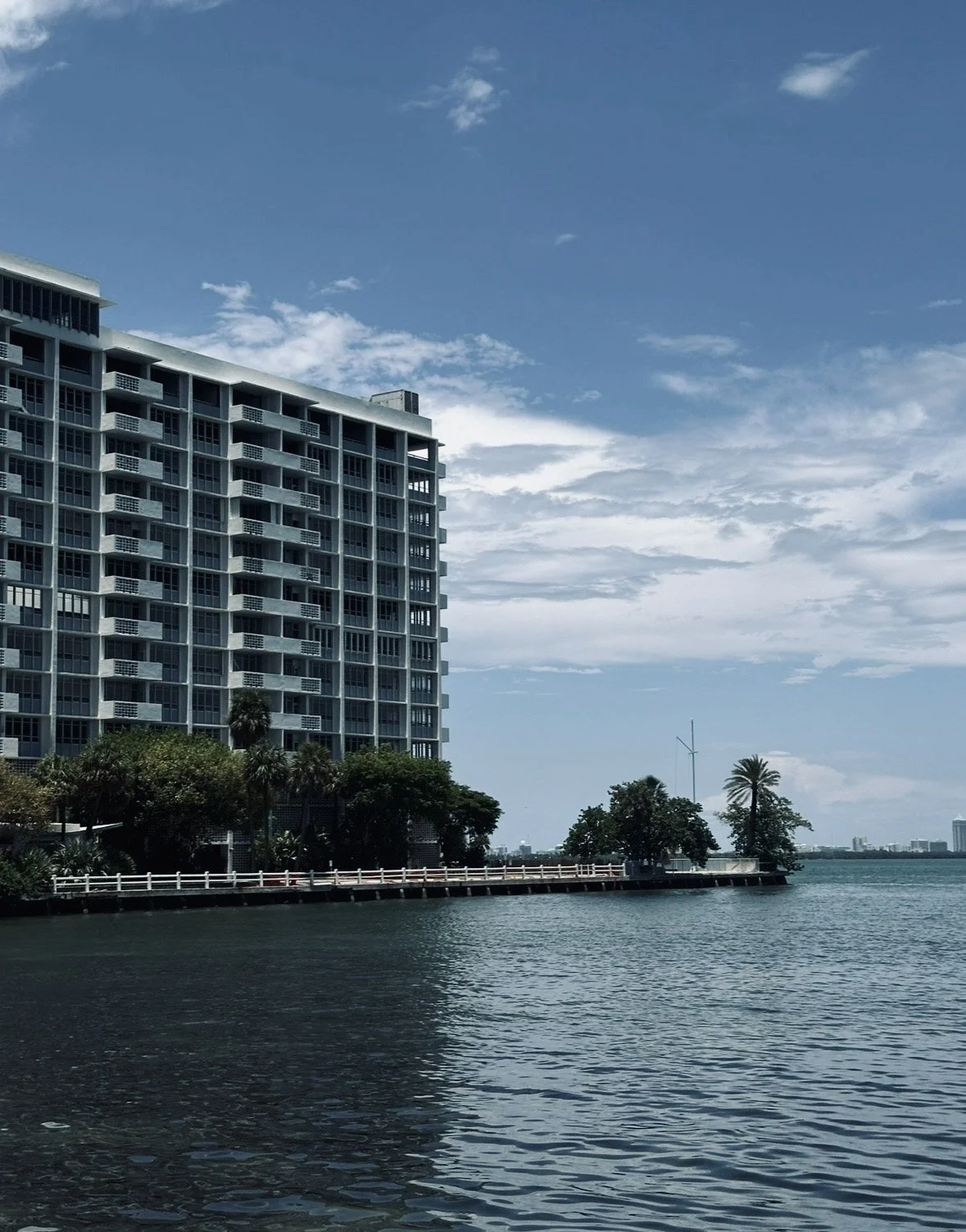
Many older waterfront condominiums are now worth less as buildings than as redevelopment sites.
This is how condo termination actually starts in this market. Not with a notice. Not with a vote. With patience.
The buildings that end up on those spreadsheets share a profile. Older construction, typically pre 1990. Waterfront or near it. Land values that have outpaced the structure sitting on them by multiples. An ownership base that is internationally dispersed, financially varied, and unlikely to vote in unison on anything, let alone a special assessment large enough to meet the reserve funding requirements that came out of the 2022 Surfside legislation. In many cases, units are held through LLCs, trusts, or foreign entities, which makes communication slower, alignment harder, and quiet accumulation easier. When a building cannot fund what the law now requires and cannot get its owners aligned on how to close that gap, a developer’s offer stops feeling like an intrusion and starts getting positioned as a solution.
That repositioning is deliberate. It is also effective.
In Brickell, this has already played out more than once. Older waterfront buildings have been quietly assembled unit by unit until control shifts, then the conversation changes. What looked like a stable condo association starts operating like a site under contract. The owners who understood what was happening early enough to get independent advice came out differently from those who accepted the first number they were given and signed.
This is the part that rarely gets written about clearly. Condo termination under Florida Statute 718 is legal, structured, and in many cases financially rational for a majority of owners. But it is also a process that moves faster than most people expect, that produces buyout offers based on appraisals the owner did not commission, and that ends with you out of your unit whether you agreed to sell or not. The offer you receive is not the final number. It is an opening position based on an appraisal commissioned by the party trying to buy you out, not by you. Most owners who accept the first figure do not know that. Most developers are not going to mention it.
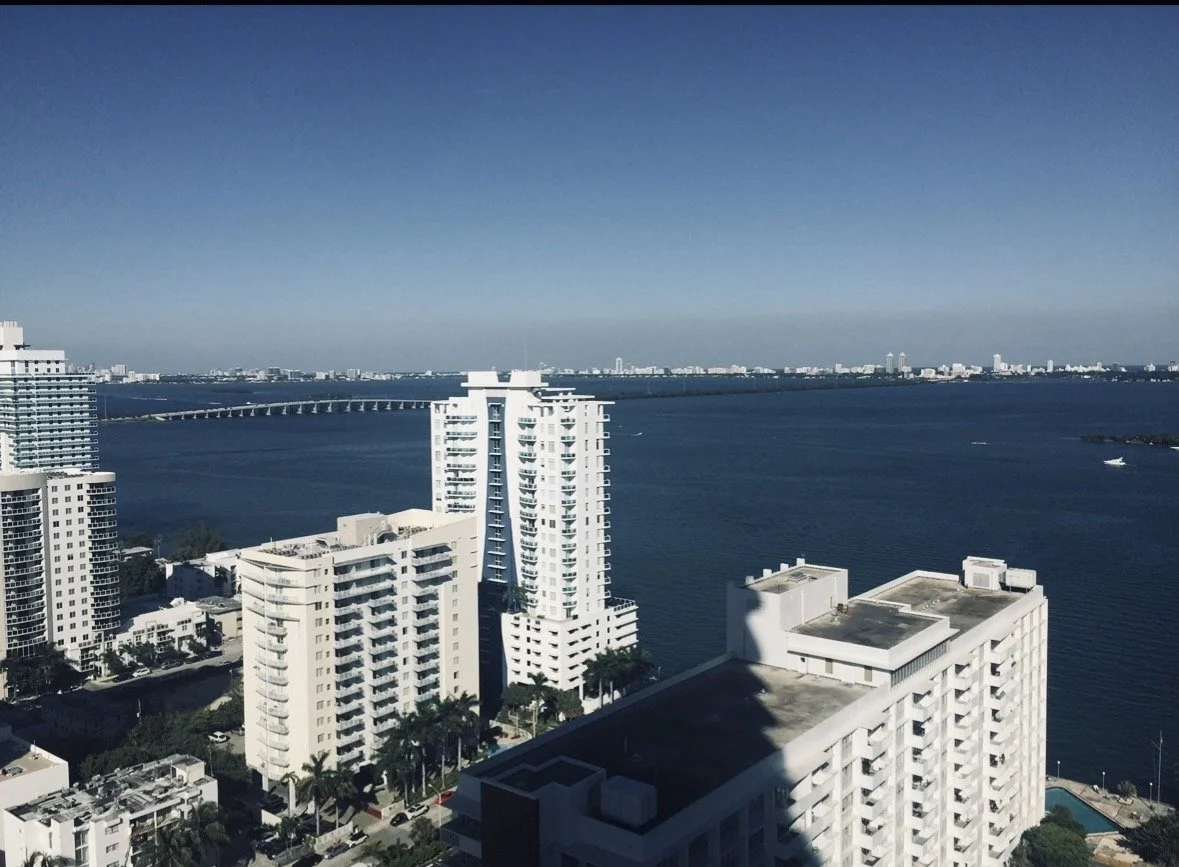
In many Miami neighborhoods, the land has appreciated faster than the buildings sitting on it.
What determines how much leverage you actually have in that situation, and in some cases whether the termination can happen at all, is a clause in your condominium’s original declaration that specifies the threshold required to dissolve the association. Florida statute sets that at 80%. But your declaration may say something different. And if it does, that language is enforceable.
At Biscayne 21 in Edgewater, ten owners who refused to sell held a $150 million developer in place for years using exactly that argument. Two Roads Development acquired 95% of the building, took control of the board, rewrote the rules to lower the termination threshold, and moved forward before the legal fight was settled. The appellate court sided with the holdouts. The Florida Supreme Court declined to hear the developer’s appeal. A judge ordered restoration at an estimated cost of $65 million. In February 2026, Two Roads filed again, arguing restoration is economically impossible. Ten people. In a 192 unit building. Still in it.
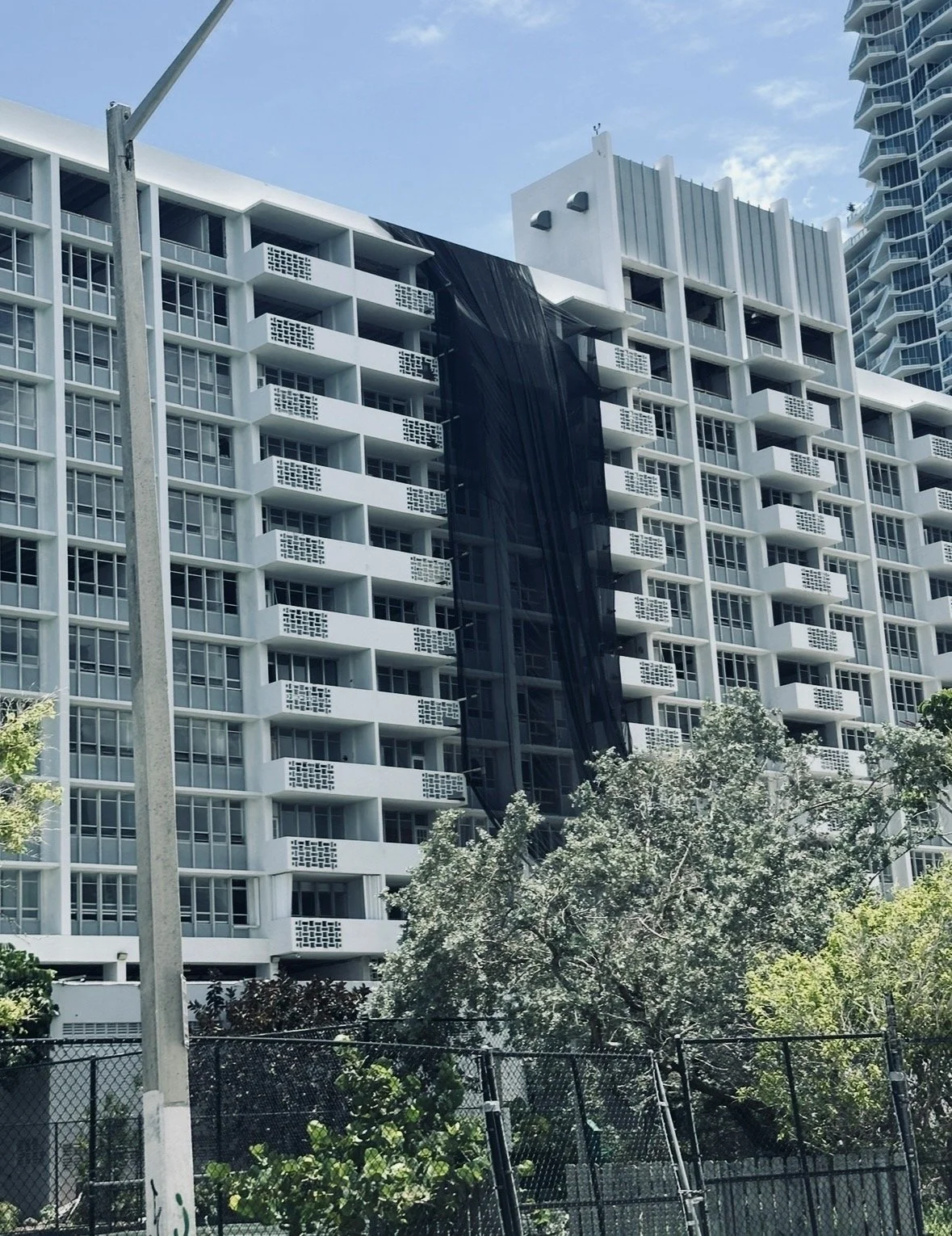
Biscayne 21, Edgewater Miami
They held because the original declaration, recorded in 1974, required unanimous consent. That single sentence written by attorneys nobody remembers turned out to be worth more than anything else in the building.
Most owners have no idea what their declaration says on this point. Developers always do. That asymmetry is not incidental. It is structural.
The older waterfront corridor in Miami, from Brickell through Edgewater and up through the upper east side, is carrying a significant inventory of buildings that fit the profile. The Surfside legislation has added financial urgency to what was already a land value story. Special assessments that run into tens of thousands per unit are no longer hypothetical in these buildings. They are arriving. And when they do, the ownership bases that are least able to absorb them are exactly the ones that developers have already identified as most likely to move.
If you own in one of these buildings, the question worth asking is not whether your building is on someone’s list. It is what your declaration actually says, whether it has been amended since it was originally recorded, and whether any single entity has been quietly accumulating units in your ownership register. Sometimes through different LLC names that do not immediately read as a single buyer unless you are looking closely. All of that is knowable before a termination notice arrives. Almost nobody looks until after.
None of this guarantees that a building will be terminated. It simply explains why certain buildings attract attention long before the public realizes a redevelopment conversation has begun.
By the time the conversation becomes public, the spreadsheet has already been built, the units have already been tracked, and the outcome is often closer than it appears.
Questions Worth Asking Before Accepting a Buyout Offer
If your building becomes the subject of a buyout, these are some of the questions worth answering before making a decision.
What does my condominium declaration actually say about termination?
Has the declaration ever been amended?
Who commissioned the appraisal supporting the offer?
Has anyone quietly accumulated multiple units in the building?
Does current zoning allow significantly more density than what exists today?
Have I obtained an independent appraisal?
Have I spoken with an attorney who regularly handles condominium terminations?
How This Article Was Researched
This article is based on publicly available information, including:
Florida Statute 718
Recorded condominium declarations
Miami Dade County Official Records
Miami Dade Property Appraiser ownership records
Public court filings involving condominium terminations
Public zoning records
Building permit and recertification records
On site observations by Beyond Square Footage