Miami Loves the Next Restaurant. Survival Is Another Story
Opening a restaurant in Miami looks simple from the outside.
Permits, grease traps, landlords, seasonality, and the city’s appetite for spectacle tell a different story.
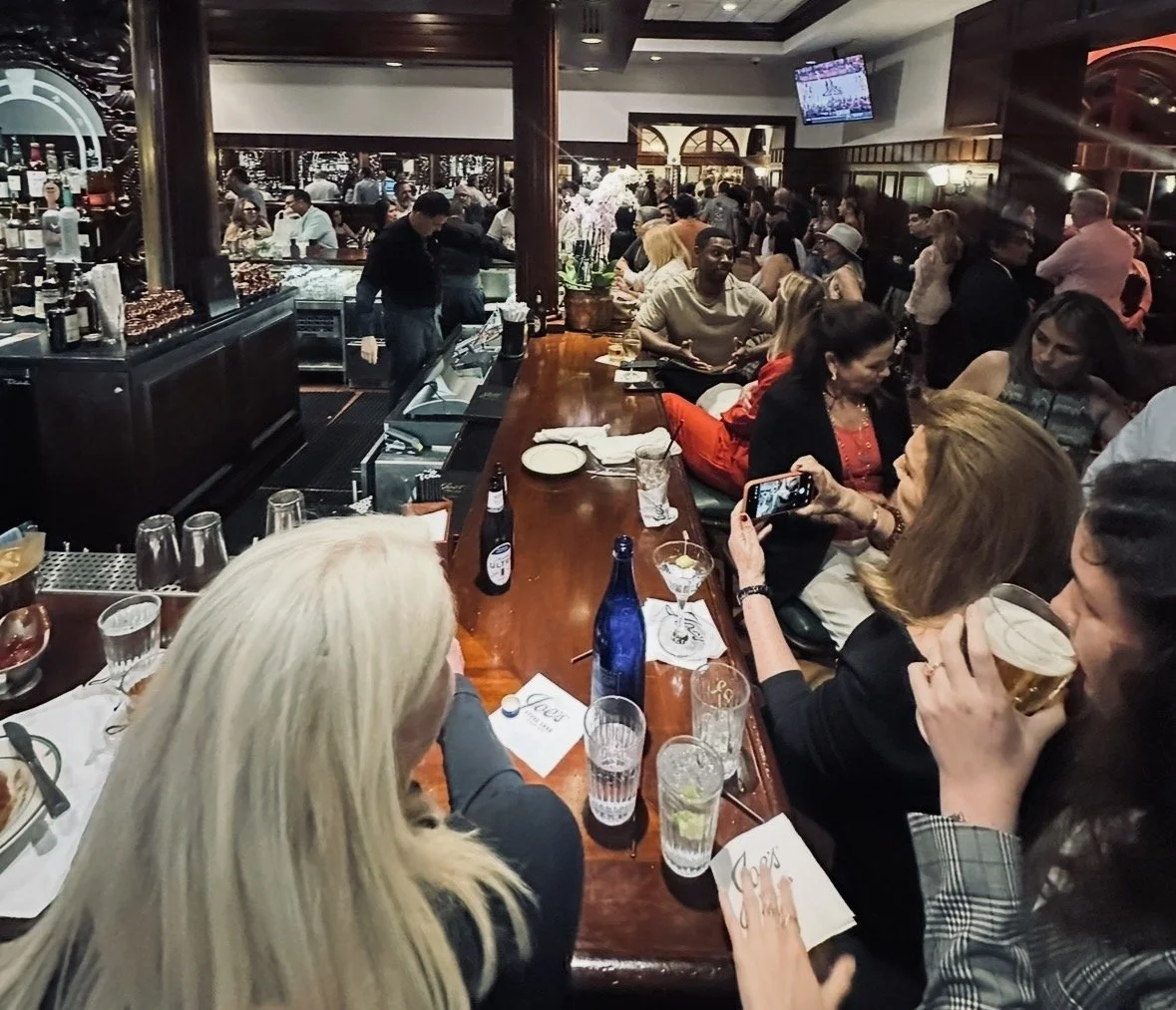
What you see is not even half of it
Opening a restaurant in Miami looks simple from the outside. Permits, grease traps, landlords, seasonality, and the city’s appetite for spectacle suggest otherwise, and what is most visible at the beginning rarely reflects what determines whether a place lasts.
Miami looks like an easy F&B city. Restaurants are busy, new places keep appearing, and every neighborhood feels one opening away from becoming a destination. From the outside, it can seem like the hardest part is getting people through the door, when in reality the more difficult part begins long before that and stays largely invisible even after the doors open.
Many operators realize this the moment they sign a lease for what appears to be a second generation space. The kitchen is there, the hood is installed, and on paper it looks like time and money have already been saved, yet what presents itself as a shortcut is often where timelines quietly start over and where early assumptions begin to break down.
A change as small as a new legal entity can trigger it. A different LLC is treated as a different operator, which brings the Department of Environmental Resources Management back into the conversation, and while the physical space may not change, the regulatory exposure does, resetting a process that many believed had already been resolved.
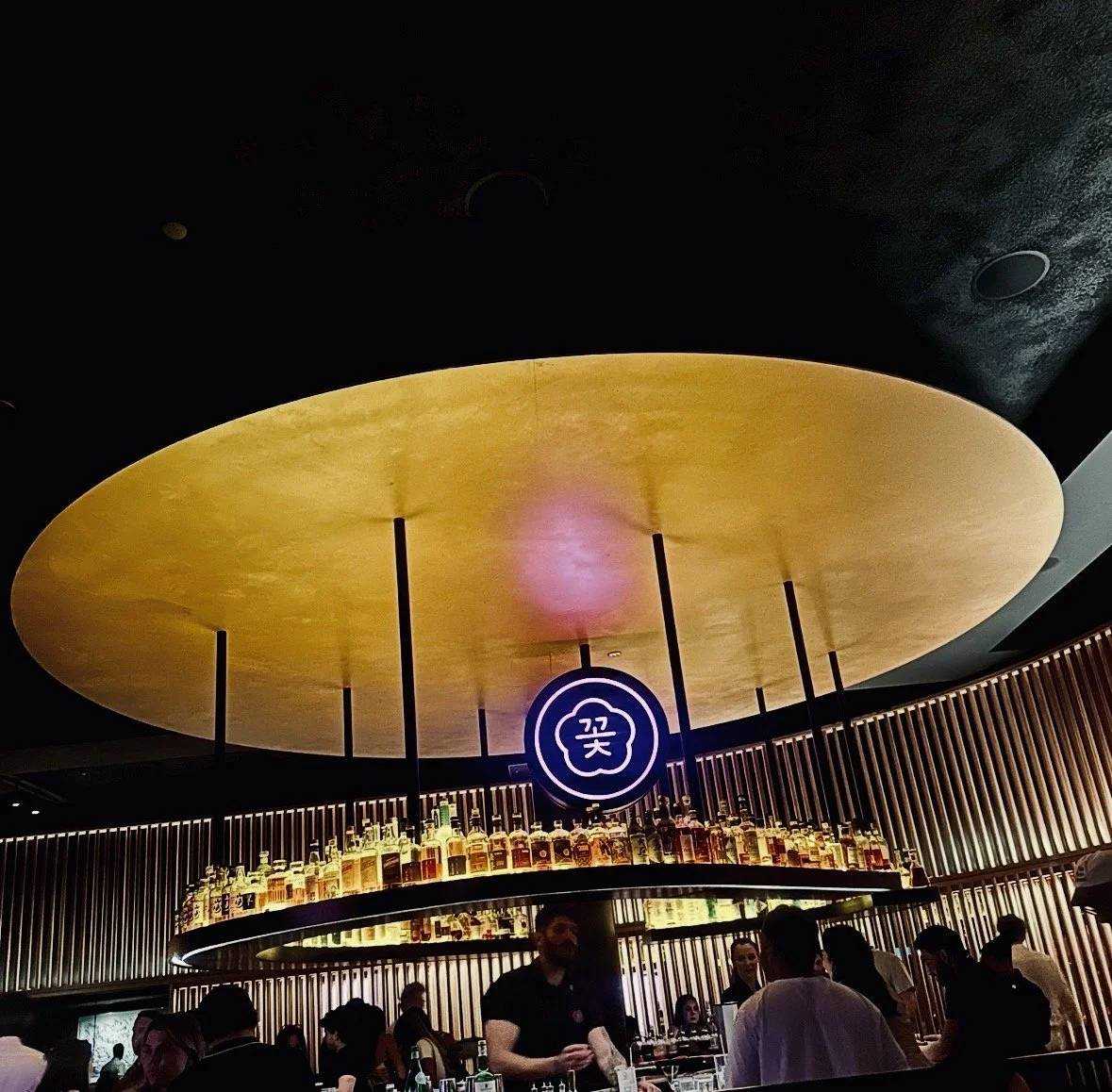
Some places are rowing against the current to become a household name
Health inspections return, environmental compliance is reviewed, and permits that felt settled are reopened, turning what looked like a turnkey space into something that behaves much closer to a new project moving slowly through a system that does not respond to urgency.
Then infrastructure takes over, and that is usually where the romance fades. Grease management alone can derail an entire timeline, and if the existing system does not meet current code, upgrades can require opening floors or rerouting plumbing that was never designed for today’s requirements, which is often where delays originate, not in design, but in what sits beneath it.
Seating capacity introduces another layer that is often misunderstood. A restaurant sees tables and atmosphere, while the city sees thresholds, and once those thresholds are crossed, fire safety requirements follow in ways that reshape both layout and timeline, turning what appears to be a design decision into a regulatory one.
All of this happens before the first plate is served, which is why opening is rarely just about the concept or the chef, but about alignment between the operator and the structure they are stepping into, as well as the landlord behind it. A strong operator can still fail under the weight of a misaligned lease, while a disciplined structure can carry a less exceptional concept further than expected.
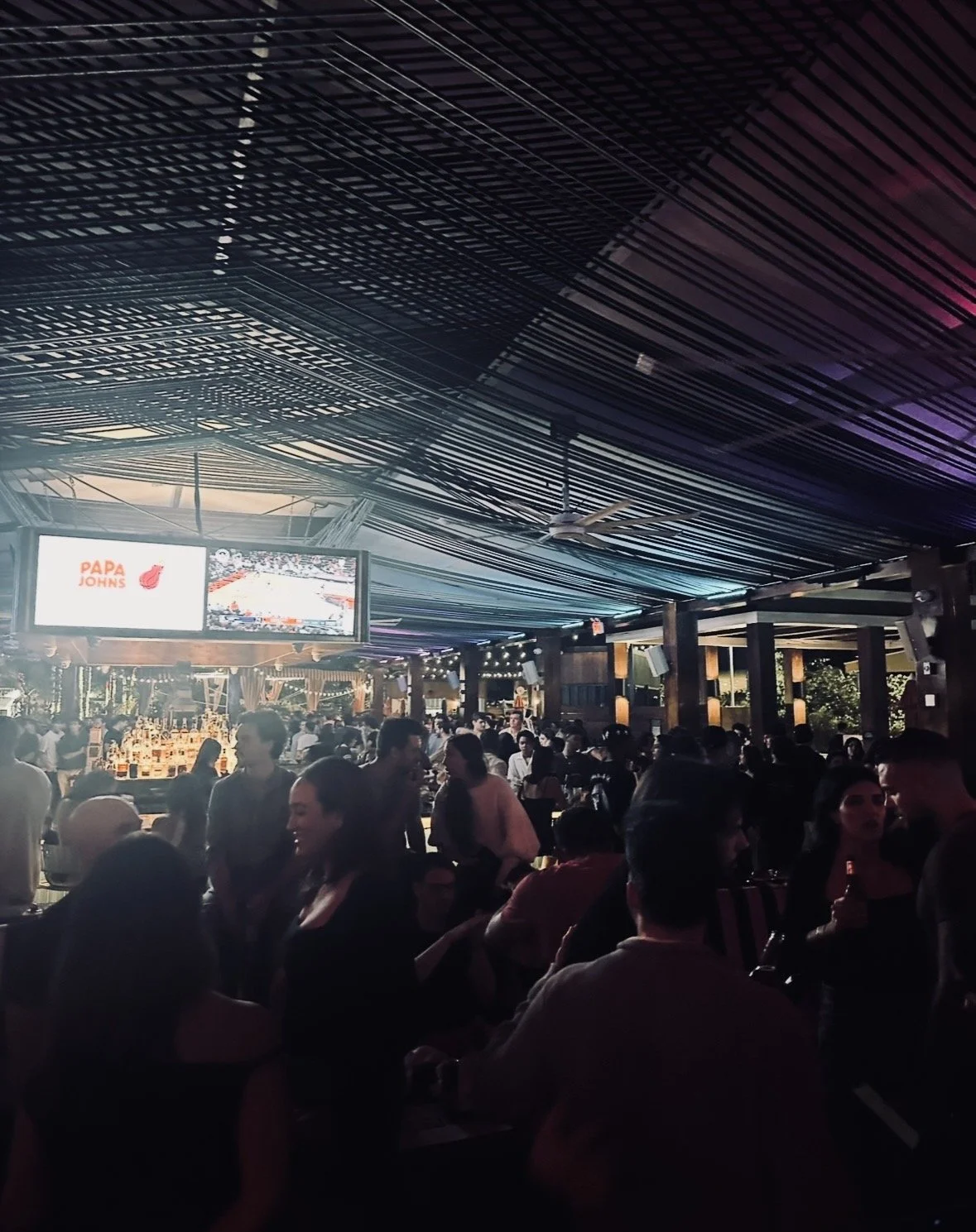
In Miami, dinner rarely ends at the table
Landlords often see a full restaurant and assume the space itself must be worth more, which makes sense from a property perspective, but restaurants do not behave like luxury retail. They rely on repeat customers and controlled costs, and in Miami rents often reflect anticipated success before the business has had the chance to prove it, creating a gap between perception and reality that quietly erodes viability over time.
The same city that celebrates the next opening is not always structured to support what stays. Visibility drives pricing, attention shapes expectations, and the model begins to reward what looks successful early on while placing increasing pressure on what is trying to stabilize.
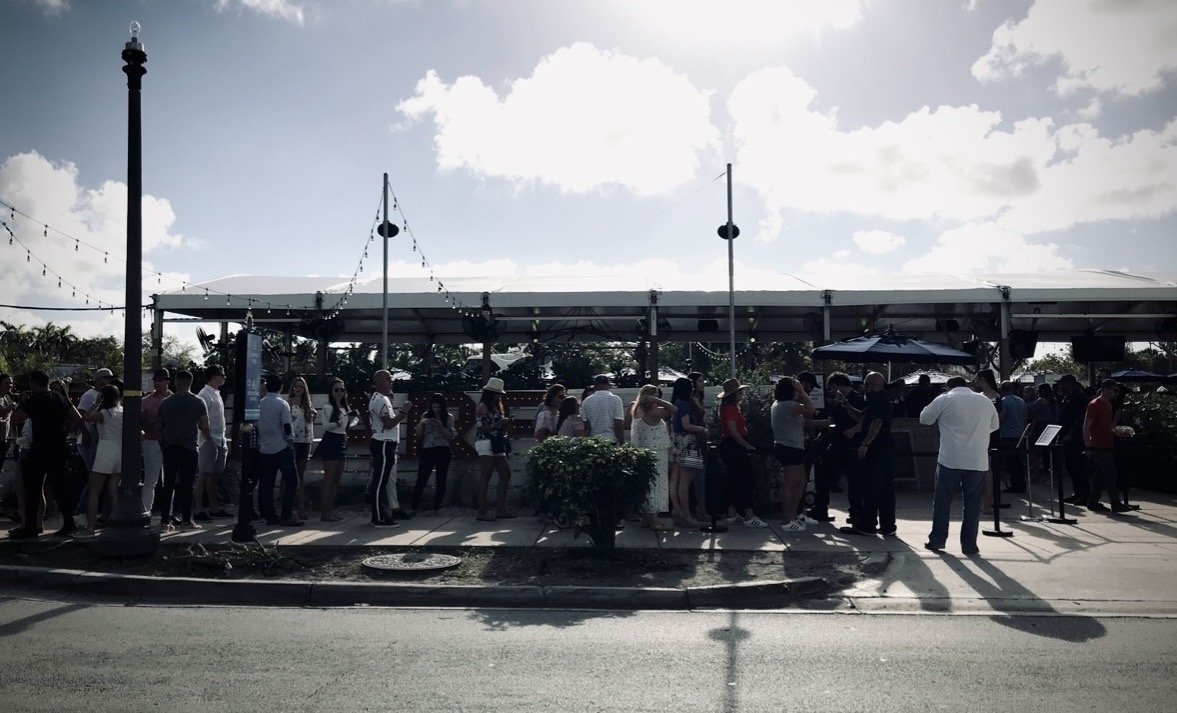
People always show up. Getting them to come back is the hard part.
Location adds another layer of misunderstanding. The right address does not guarantee anything, and some of the most profitable places in Miami operate quietly inside modest strip malls where rent is manageable and customers return consistently, while highly visible locations next to well known addresses can struggle because attention does not build loyalty on its own.
A place can open next to something recognizable and still disappear within a few years, while another, less visible, can outperform it because the neighborhood has adopted it. In this city, consistency often outperforms visibility more than people expect, especially over time.
Miami also moves quickly. Every season produces a restaurant that becomes the reservation everyone wants, and just as quickly, something new opens and attention shifts. The city treats restaurants the same way it treats buildings, neighborhoods, and trends, which creates an environment where you are not only competing with what exists around you, but with what has not opened yet.
That rhythm is part of what makes Miami compelling, but it is also what makes it unforgiving, because a restaurant built only on novelty is always one opening away from losing its position.
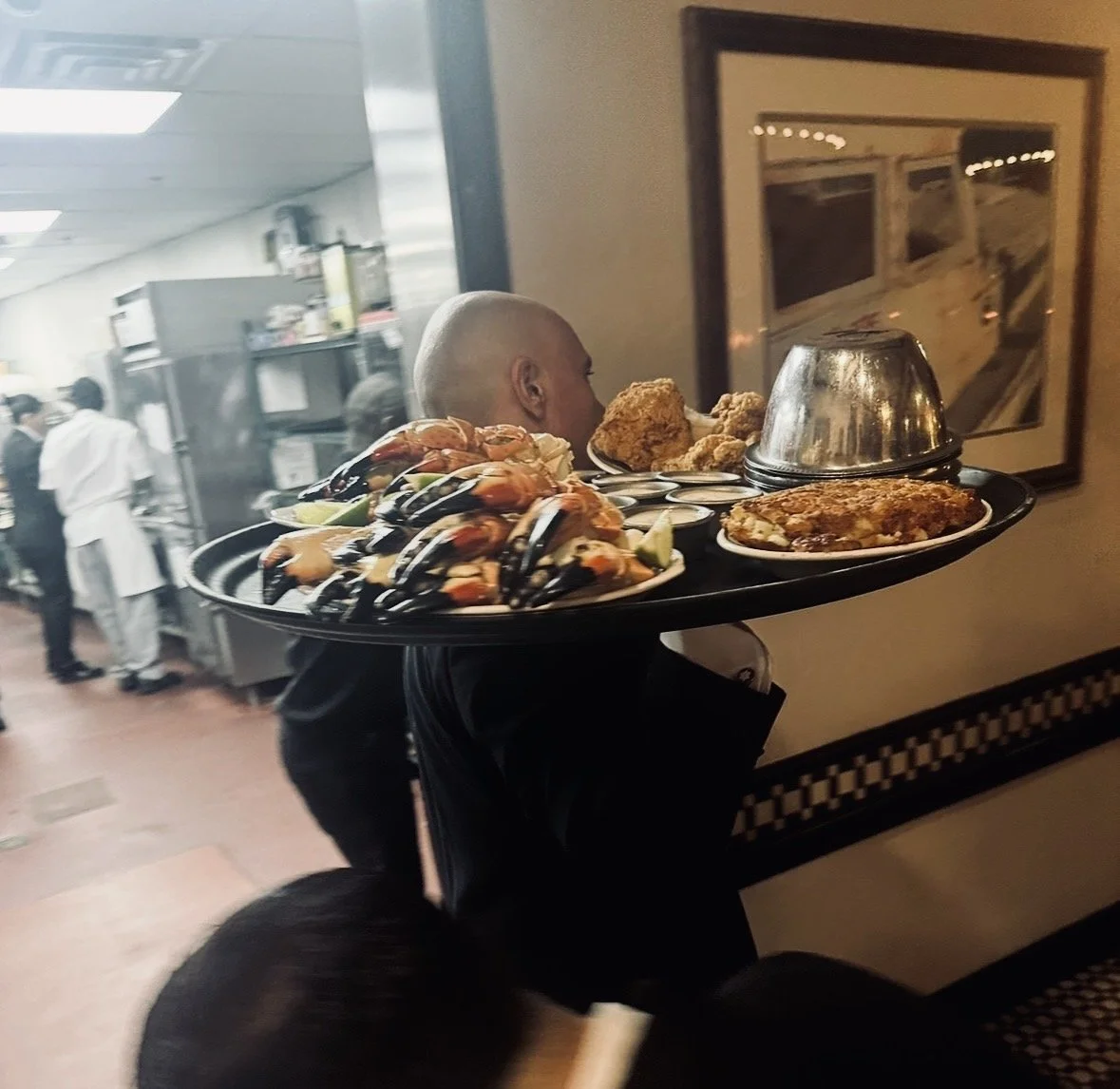
Consistency does not trend. It compounds
The places that last understand something quieter. Tourists fill tables for a moment, but stability comes from locals who return on weeknights, bring friends, and continue showing up after the initial interest fades, which is what gradually turns a place from a destination into part of a routine.
Seasonality reinforces that reality. Miami feels active year round, yet summer exposes weaknesses that winter can temporarily conceal, as travel patterns shift and the energy that fills restaurants in peak months fades, requiring a business model that can withstand those quieter periods rather than depend entirely on early momentum.
When people return out of habit instead of curiosity, something changes. The restaurant stops behaving like a trend and starts behaving like part of the city, which is what allows certain places to move beyond popularity and into permanence.
Joe’s Stone Crab, Hillstone, Mandolin, and Michael’s Genuine have reached that point not because they captured attention once, but because they built patterns that people continue to follow, which is ultimately what defines longevity in a market that moves as quickly as Miami does.
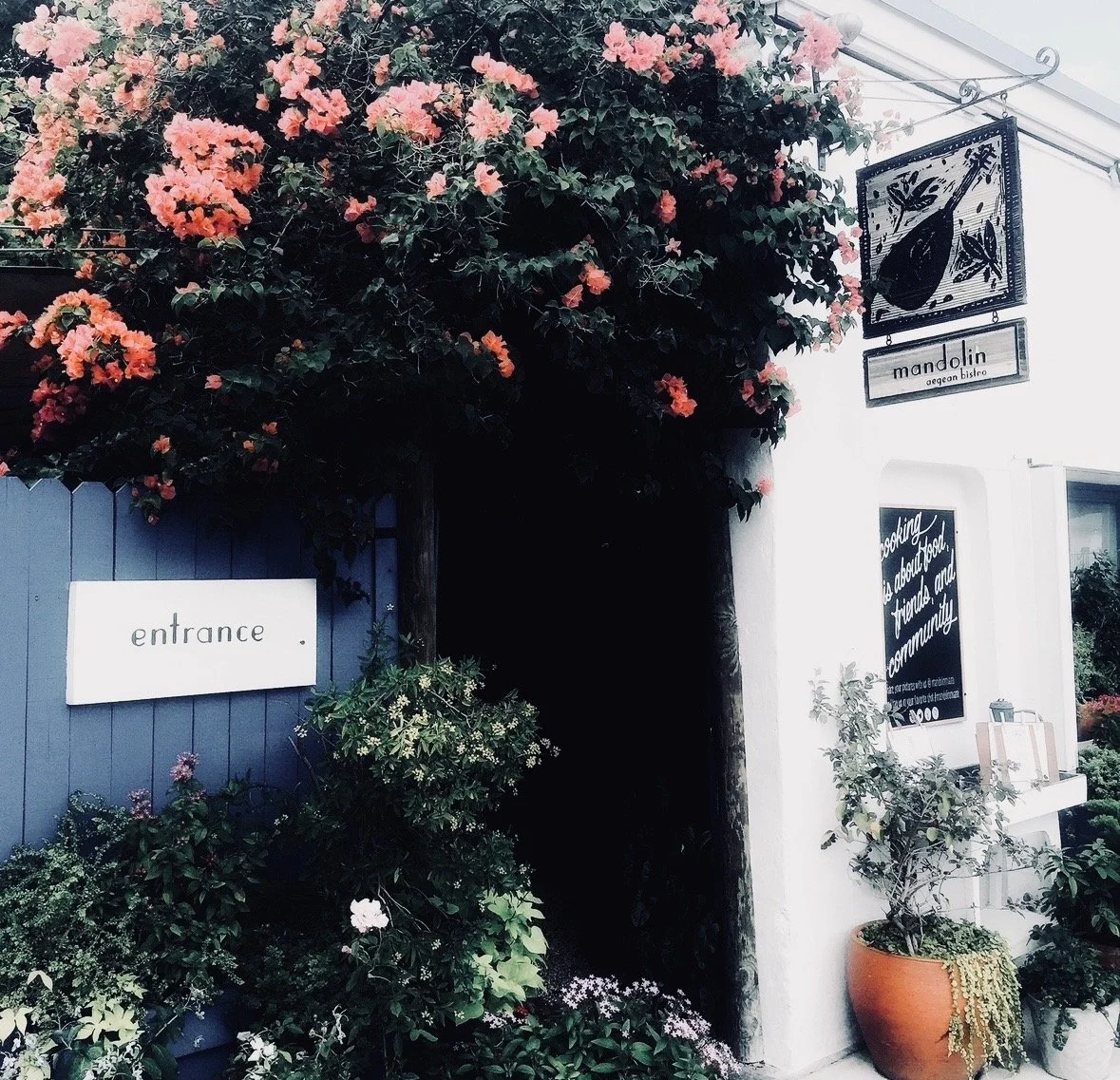
Becoming familiar is harder than becoming popular
Miami will always reward spectacle. The city is drawn to energy, to places that feel like events, to restaurants where dinner becomes something more, and concepts like MILA demonstrate how effective that model can be when executed well.
At the same time, spectacle carries a cost, because it depends on constant reinvention to maintain attention, while restaurants built on routine operate differently, relying on familiarity, local adoption, and consistency rather than momentum.
There is also something else at play. Many international concepts and chefs eventually come to Miami, not because the model is easier, but because being here has become a form of positioning that extends beyond the city itself, even when the underlying economics are less predictable than they appear.
Miami is very good at creating the next restaurant everyone talks about, and what remains less certain is which ones it is willing to keep.