The Heat’s Waterfront Deal
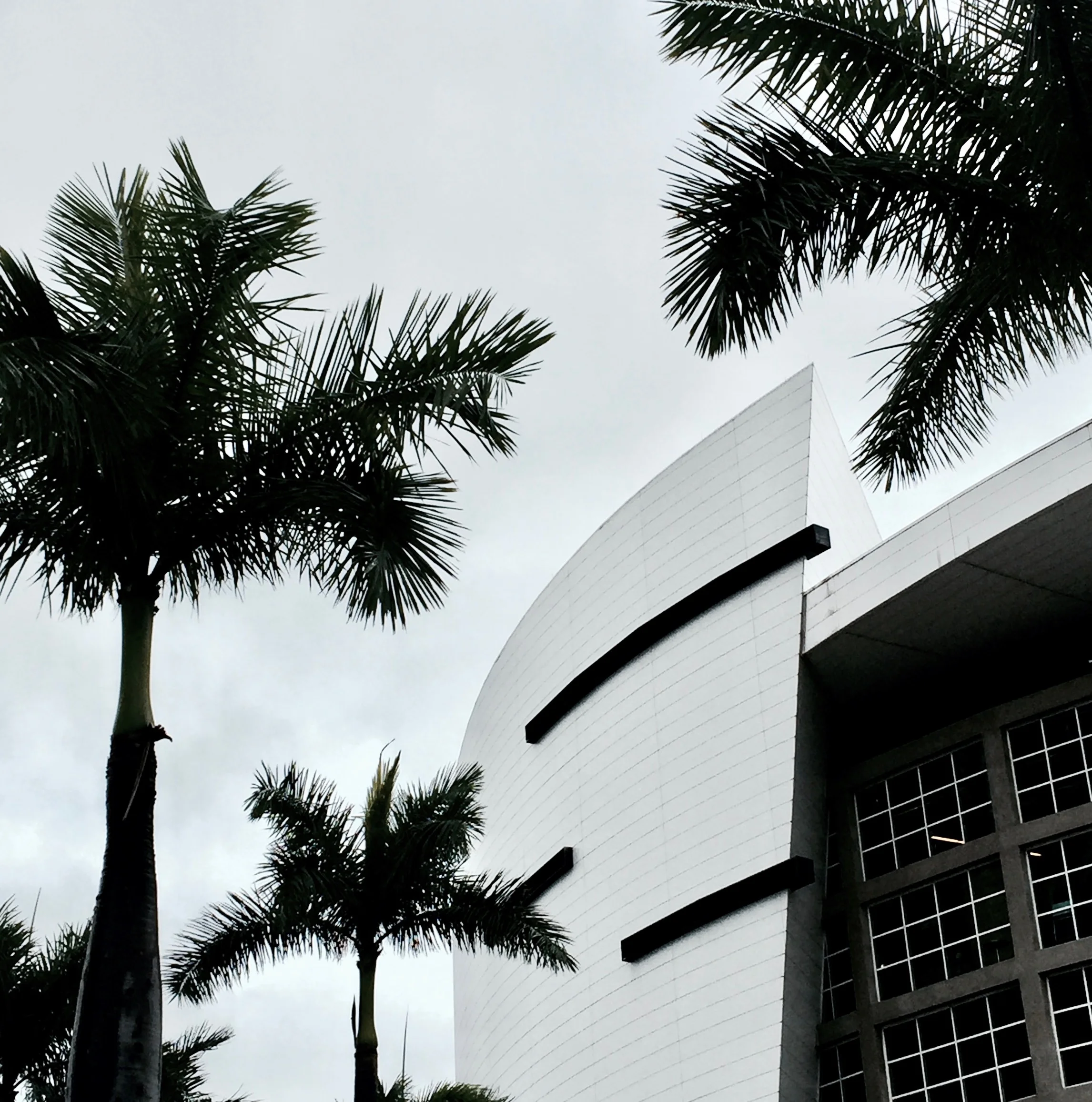
American Airlines Arena | Photo by Nadia Bouzid
Architect: Arquitectonica
Year Built: 1998
Location: Downtown, Miami
"HOME OF THE MIAMI HEAT"
Features: 2,105 club seats, 80 luxury suites, and 76 private boxes
Construction Cost: $213 million
Area: 692,000 SF
Type: Sports + Entertainment Arena
LEED CERTIFIED
Awards: AIA Award for Excellence in Architecture
AmericanAirlines Arena has a waterfront address, and Miami-Dade County bought the land. In early 1998, the county paid the City of Miami $37.6 million for 17 acres, including the larger site around the arena. Construction began that year, and the building opened on December 31, 1999.
The Heat financed construction, but the county owns the arena and its land. Basketball Properties, Ltd., a Heat affiliate, runs the venue, with county payments forming part of the operating arrangements. “Privately financed” describes the construction, but leaves a fairly expensive waterfront acquisition and continuing public support outside the conversation.
The location puts basketball and concerts on Biscayne Bay, across the street from people who live Downtown. For the apartments facing it, the arena is there on an ordinary Tuesday afternoon as well as on a sold-out Saturday night. Buying that view means having a large entertainment venue as a neighbor.
Traffic always comes up when showing I’m apartments nearby. People flag it, particularly on game and concert nights, because getting home can mean joining the same streets thousands of visitors are using to reach the arena. A good view does not make that question go away.
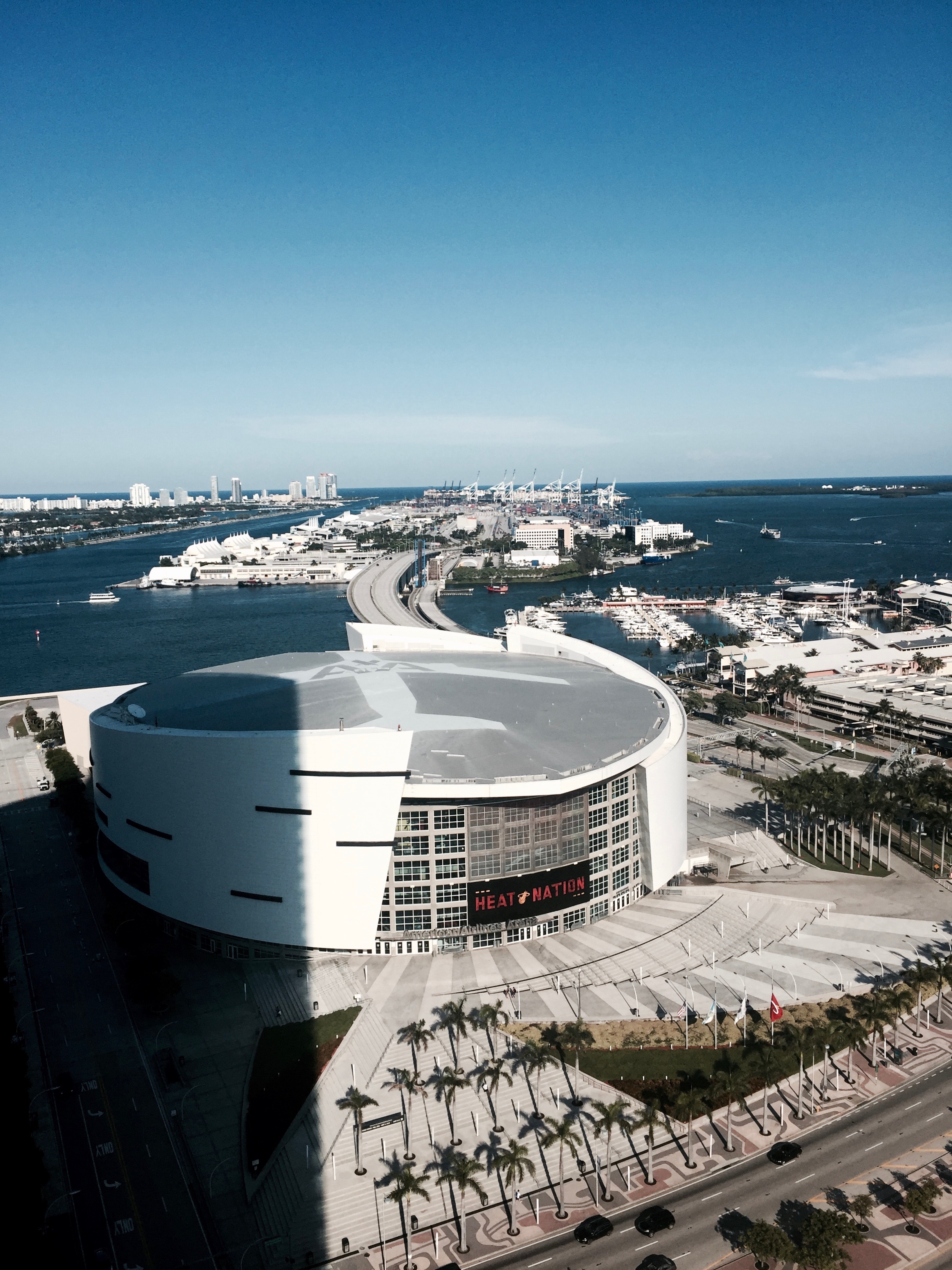
American Airlines Arena | Photo by Nadia Bouzid
There is also the benefit of leaving the car parked. The Metromover provides another way around Downtown, and as the neighborhood becomes more walkable, residents have more places to reach on foot. Living near the arena can complicate the drive home and put the evening’s entertainment within walking distance.
Arquitectonica’s design accommodates 19,600 spectators, restaurants, underground parking and a basketball practice facility. Some guests can go directly from parking to suites and courtside lounge seats, and a landscaped bayside terrace provides outdoor dining. Even within the same building, the price of admission buys quite different evenings.
A suite gives its occupants somewhere to entertain during the game; direct access from the garage offers a more private arrival. Those arrangements help explain the building beyond its seating capacity. It has to move a large crowd through its doors and provide the convenience expected by guests paying for more than a place to watch basketball.
Keeping it running brings expenses that continue long after construction. The arena received LEED certification for Existing Buildings in 2009 and Gold recertification in 2015, following work on energy use, plumbing, waste management and purchasing. The certification concerns an operating building, where water, electricity and upkeep are recurring costs.
The arena’s waterfront position also remains a public real estate decision. The county owns land that accommodates a privately operated venue, and the surrounding neighborhood receives the events, the visitors and the traffic. The value of that arrangement reaches beyond ticket sales, but so do its costs.
For someone considering an apartment across Biscayne Boulevard, all of this comes with the address. There is the bay, the convenience of walking to a game and the question of getting home when everyone else is arriving. The arena belongs in the apartment conversation well before anyone asks which way the balcony faces.
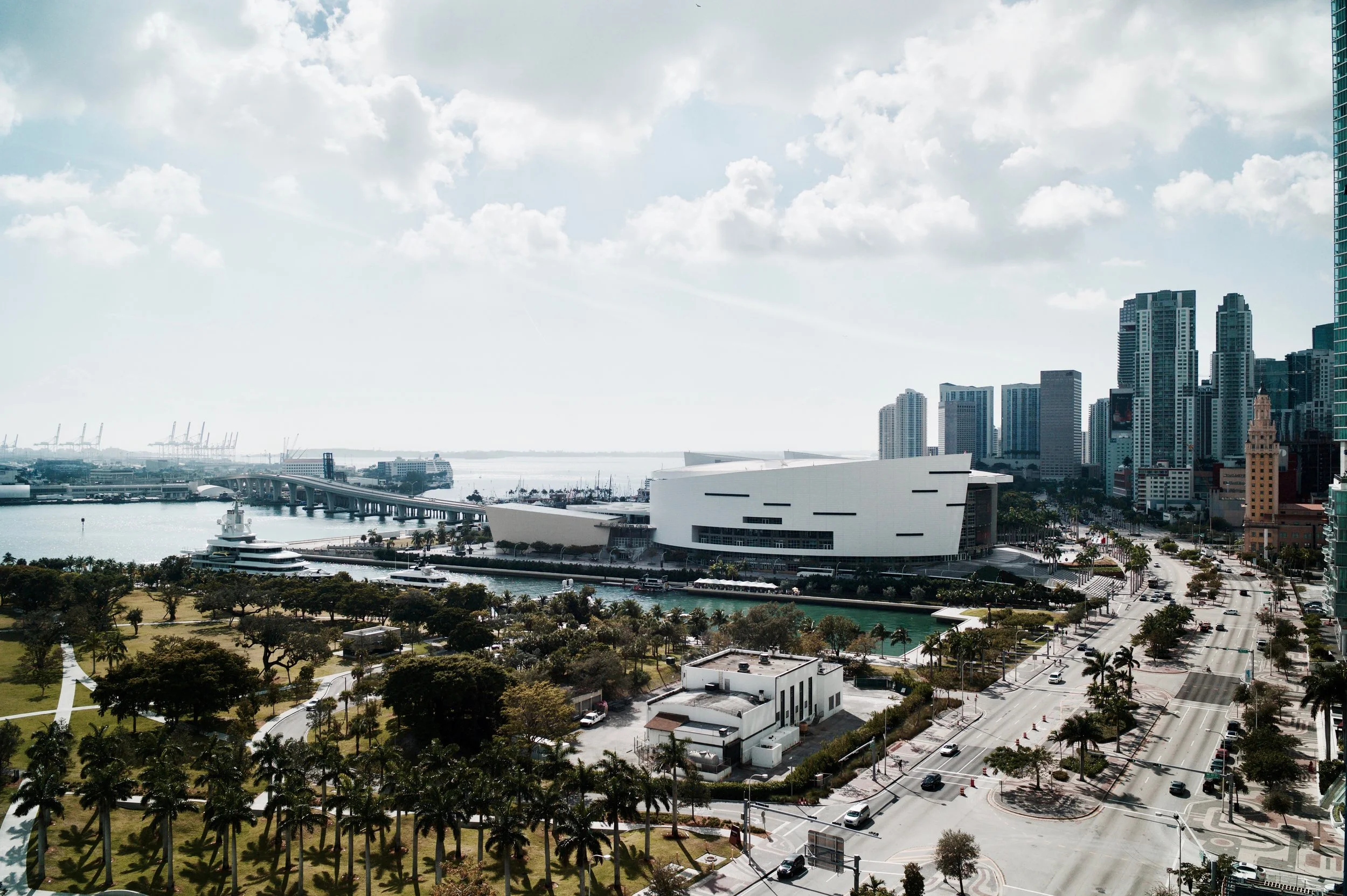
American Airlines Arena | Photo by Nadia Bouzid
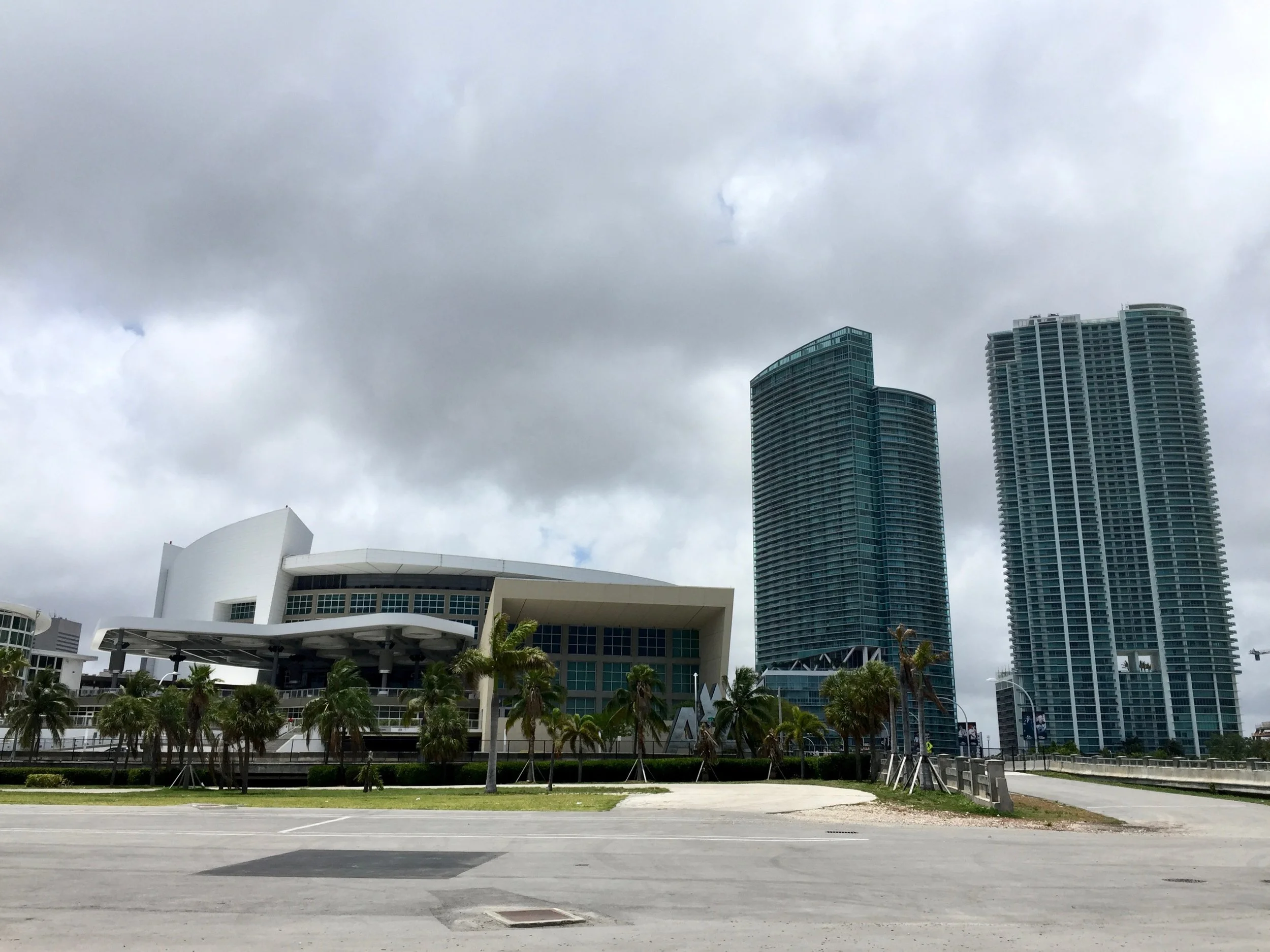
American Airlines Arena | Photo by Nadia Bouzid
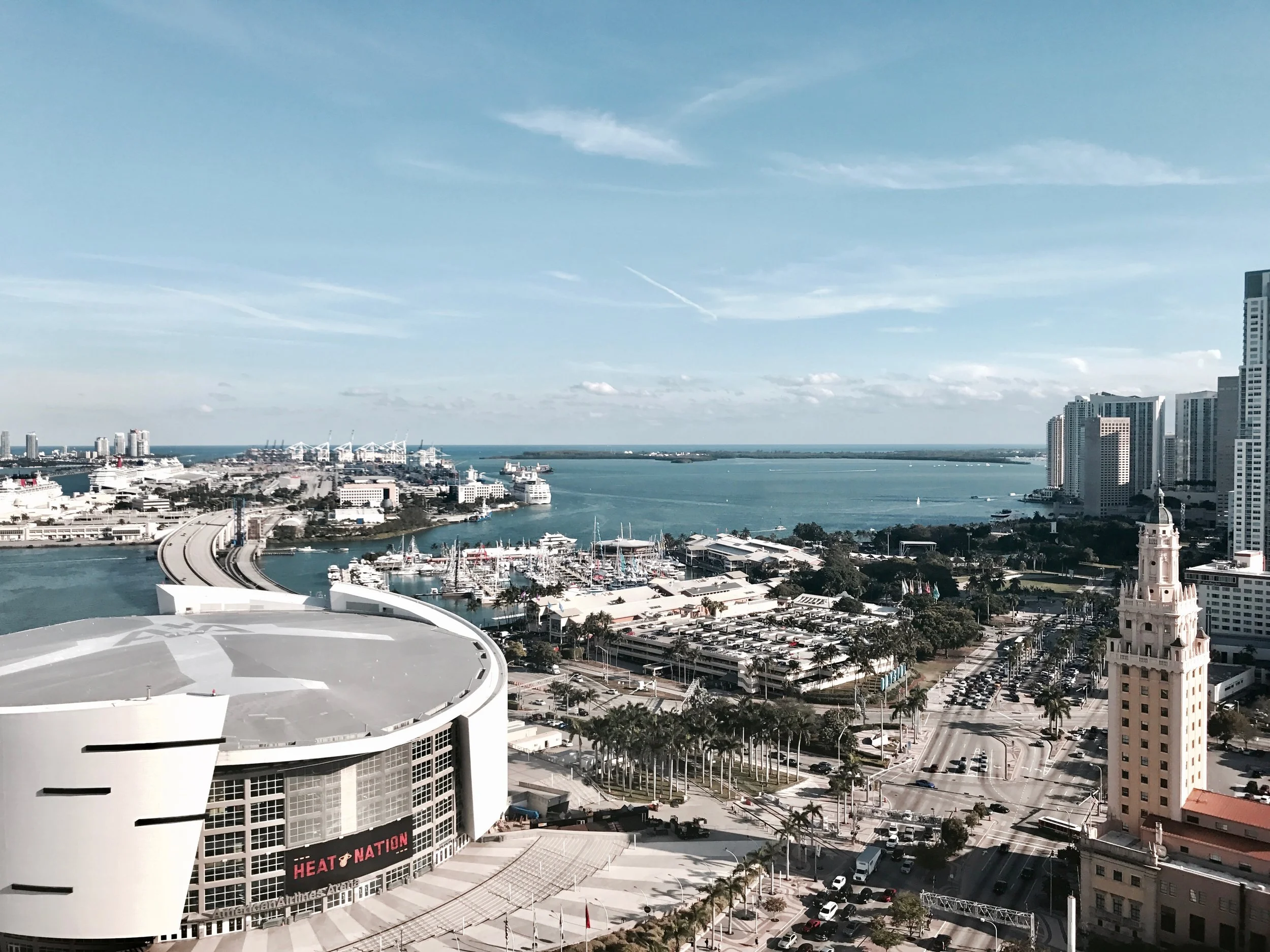
American Airlines Arena | Photo by Nadia Bouzid
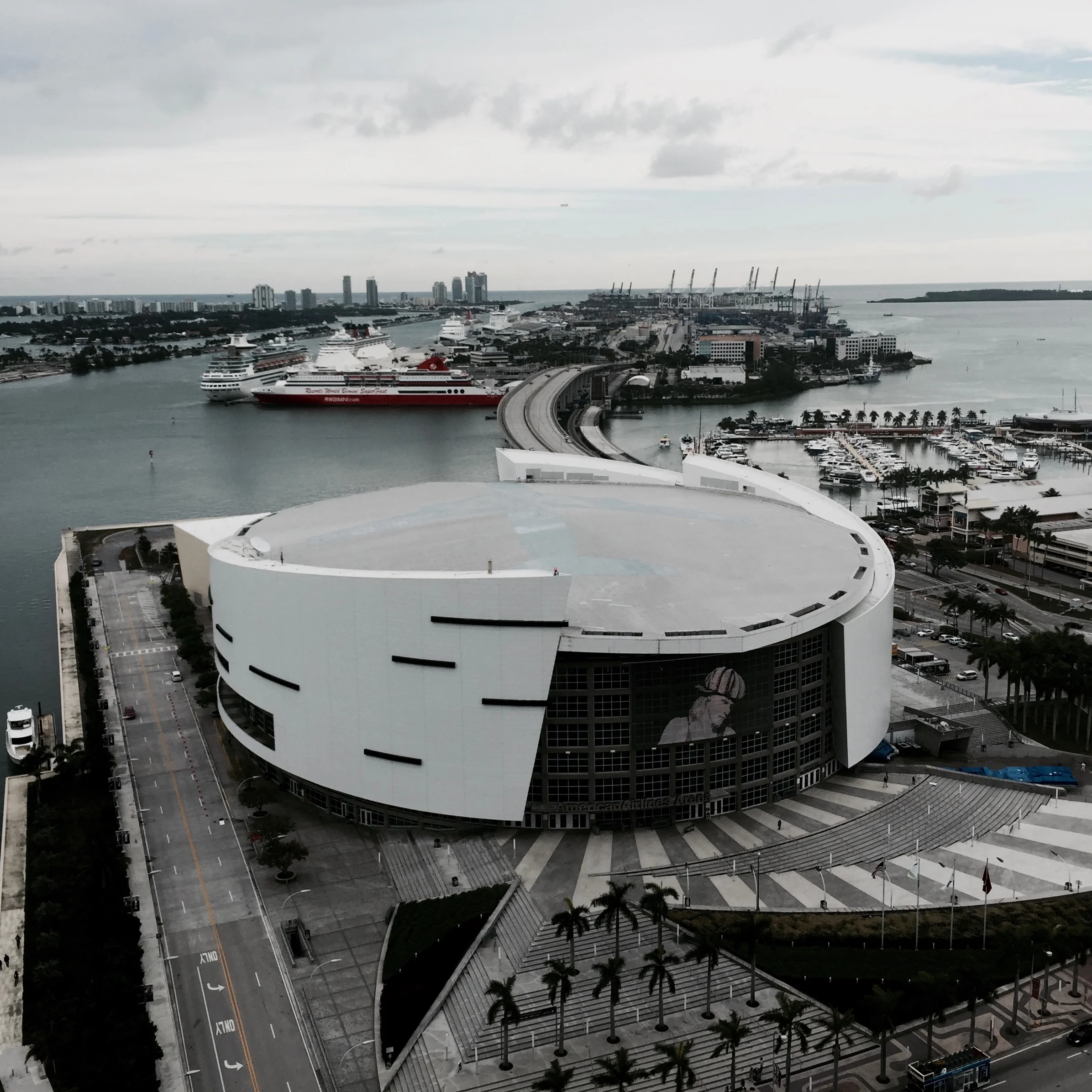
American Airlines Arena | Photo by Nadia Bouzid