Buying a Pre-construction Condo in Brickell
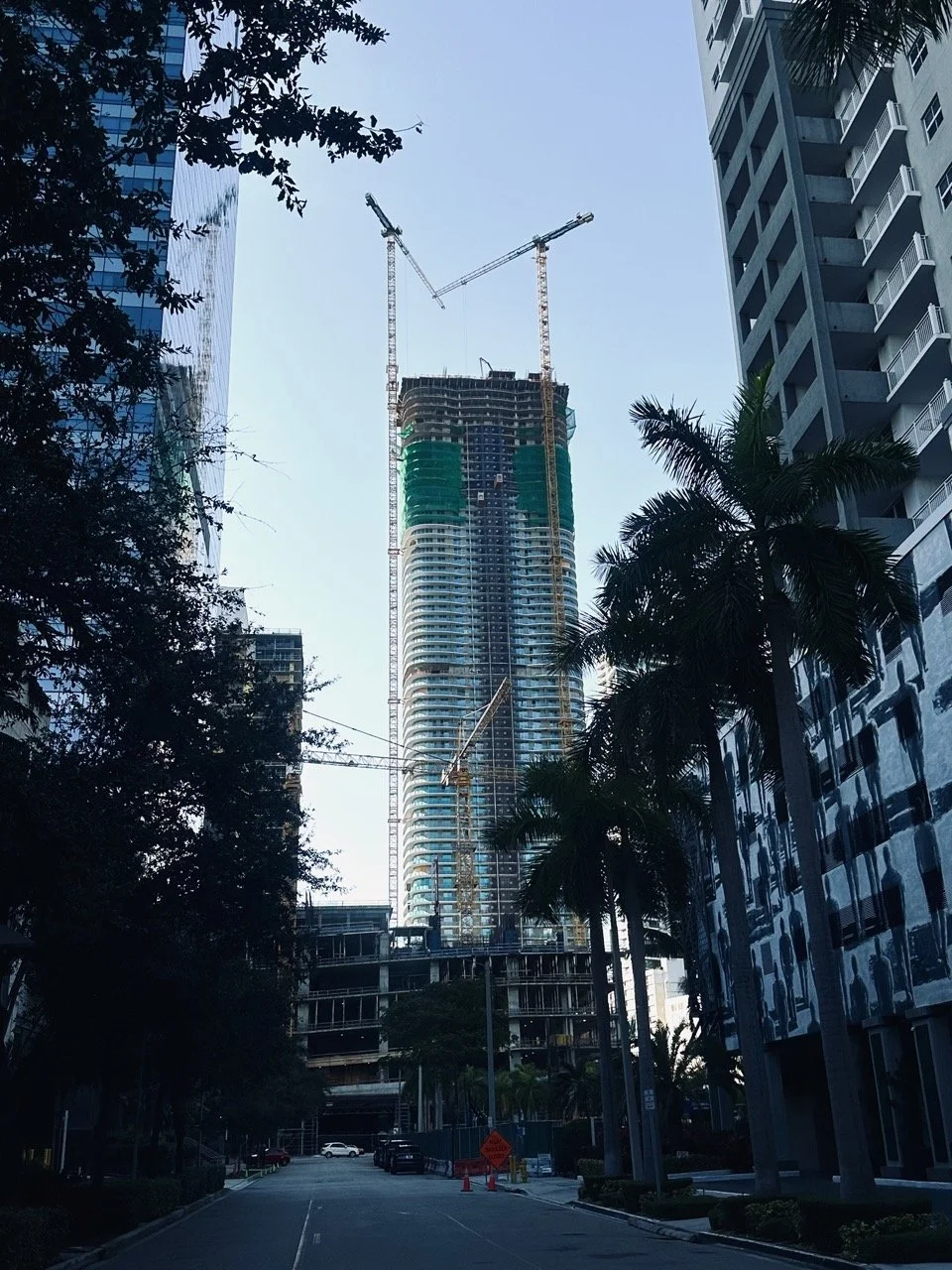
Buying a preconstruction apartment in Brickell means agreeing on a price before you can walk through the rooms. You may have a detailed floor plan, a model kitchen and a rendering of the terrace, but there is still time between the purchase and the finished residence. What happens during that interval matters to the investment as much as the apartment itself.
Early pricing deserves a closer look than it usually gets. If a developer raises prices after your purchase, that establishes what the developer is asking for the remaining inventory. It does not establish what someone would pay for your apartment. The distinction matters if the plan depends on selling at a profit before closing, particularly when the contract restricts assignments or requires the developer’s consent.
The deposit schedule also changes the economics. Consider a hypothetical $2 million apartment requiring 40 percent before closing. That is $800,000 committed before the residence can be occupied or rented. The installments may be manageable, but the money has another potential use during those years. An investment calculation should account for that time, along with the balance required at closing.
It is equally important to understand how the deposits are held and when they can be used. Under Florida’s condominium law, where the contract permits it and construction of improvements has begun, payments exceeding 10 percent of the purchase price may be released for specified construction and development costs. Having an escrow agent does not necessarily mean the entire deposit remains untouched until closing. The contract’s provisions deserve a careful reading before the money is transferred. The Florida Senate
A developer’s previous buildings offer evidence that a presentation cannot. Visit completed projects and look beyond the lobby. Speak with owners about how the apartments were delivered, which items needed correcting and how those corrections were handled. Delivery dates are worth examining, with attention to the circumstances behind delays. A recognizable name provides a place to begin the research; the work on comparable projects gives it substance.
Then examine the actual apartment. A beautiful kitchen cannot improve a living room that is too narrow for the way you intend to use it. Look at furniture dimensions, circulation and how much of the advertised area is genuinely usable. The terrace deserves the same scrutiny. Space that comfortably accommodates a table is different from a long, shallow balcony, even when the square footage looks generous.
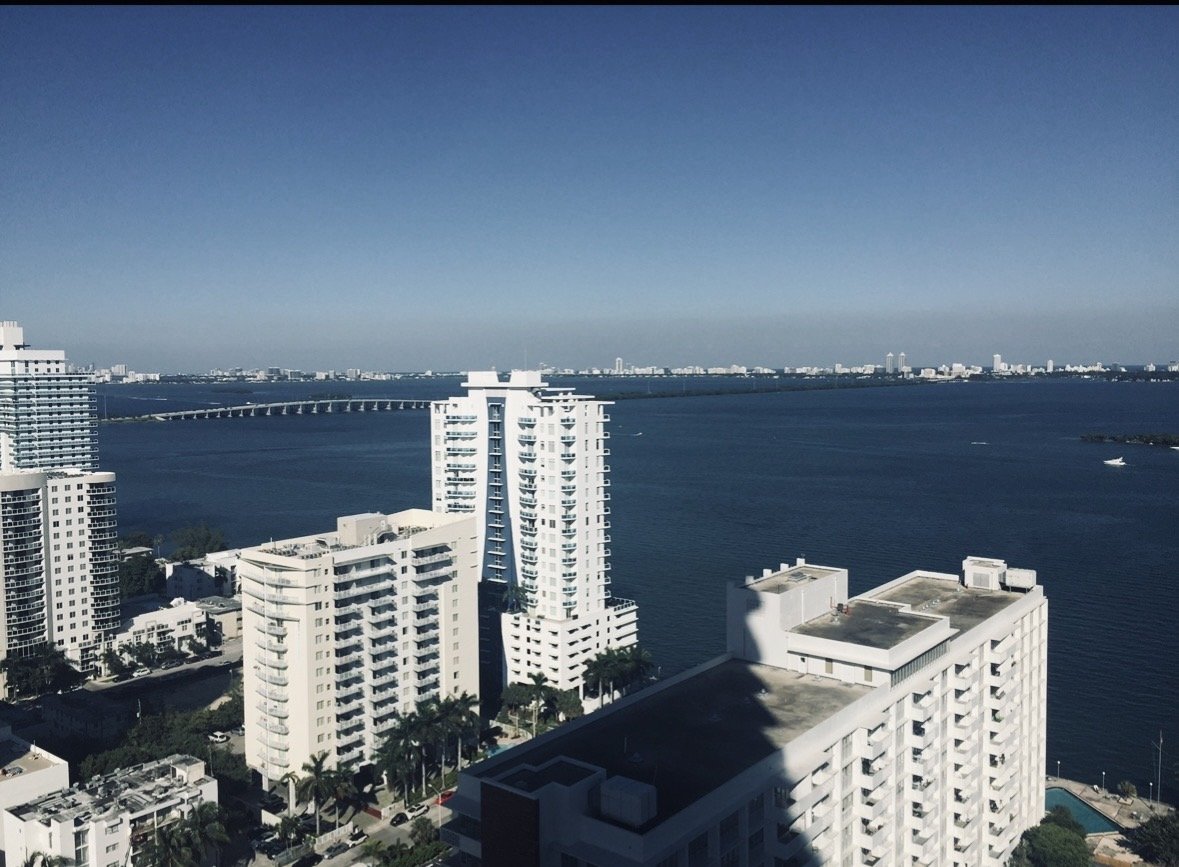
In Brickell, the surroundings belong in that examination. Which direction does the apartment face? What stands across from it, and what is proposed nearby? A higher floor may clear an existing building without clearing a future one. The view in a rendering should be considered alongside the neighboring parcels and their development possibilities, with a clear distinction between approved plans and speculation.
The proposed monthly charges require their own attention. Florida’s developer disclosures expressly warn that operating budgets are estimates and actual expenses may exceed them. Read what the budget includes and how the services being advertised are expected to be funded. Staffing, maintenance and shared facilities have costs that continue after the sales gallery closes. A preliminary monthly figure should not be treated as a permanent ownership cost. The Florida Senate
Rental rules can also change whether an apartment suits the investment. Permission to rent may still come with minimum lease periods, limits on frequency and approval requirements. Someone intending to use the residence between trips needs to know whether those restrictions accommodate the arrangement they have in mind. The governing documents should answer that before projected rental income enters the calculation.
Delivery and financing need to be considered together. Review the contractual completion provisions, permitted extensions and remedies with an attorney who handles developer contracts. If financing is needed at closing, the purchase should account for the possibility that borrowing terms or the purchaser’s circumstances will change before then. A payment schedule agreed today does not settle the cost of financing a residence delivered several years later.
An early purchase can offer a preferred line, floor or layout while there is still a broad selection. Those are concrete reasons to consider it. The price should also hold up against plausible ownership costs and a delivery timetable that leaves room for delay. If the apartment only makes financial sense after assuming substantial appreciation, there is more work to do before signing.
Before signing:
Price: Does the purchase still make sense without assuming appreciation?
Deposits: When is each installment due, and when can the developer use the funds?
Apartment: Have you examined the layout, exposure and neighboring sites?
Ownership: What does the estimated budget include, and do the rental rules fit your plans?
Contract: What happens if delivery is delayed, financing changes or you need to exit?
EXPLORE



Miami condo prices need more than a building average. Examine the line, floor plan, views, recent sales and ownership costs before making an offer.