Art Basel and the business of collecting

In the global collecting survey released by Art Basel and UBS earlier this month, only 10 percent of respondents described themselves as investors. Yet 38 percent had resold work during 2022 and 2023. These figures concern collectors across 11 markets, rather than visitors to a particular fair. They offer useful context as Miami prepares for its December edition.
There are perfectly good reasons to sell a work that have little to do with making a profit. A collection changes direction. A painting no longer belongs with what surrounds it. But the figures complicate the idea that financial calculation somehow disqualifies a person from caring about art. Someone can love a work, understand its market, and prefer not to lose money on it.
The survey draws on responses from more than 2,800 wealthy collectors. Personal pleasure and identity were the leading reasons given for buying, followed by financial considerations, then social relationships and participation in the art world. Those are different motives, but they can comfortably inhabit the same purchase.
This is part of what makes Art Basel Miami Beach worth watching. This year’s fair will bring 277 galleries to the Convention Center from December 8 to 10, with previews on December 6 and 7. It compresses an international market into a few days, alongside exhibitions at museums and private collections. The work is on display. So are the people choosing it.
The financial relationship is more explicit than the distinction between collector and investor might suggest. Forty three percent of the collectors surveyed had used credit or loans to finance art purchases at some point. That does not mean every purchase was a wager on rising prices. It does mean that borrowing and collecting are already sharing the same balance sheet.
The attraction of a work and the wisdom of its purchase still need separate consideration. Its place in an artist’s career, condition, provenance, exhibition history, and price all deserve attention. So does the question of who might buy it later. An artist’s reputation is relevant, but it does not make every work equally desirable or equally easy to sell.
Private transactions make that judgment harder to check. An asking price, an auction result, and the amount an owner could receive after selling costs are different figures. A report that a work sold at a fair may leave the buyer’s identity, the final terms, and the next possible transaction unknown. Privacy can be entirely legitimate while leaving the next buyer with less information.
That is different from saying the market operates outside the law. The U.S. Treasury’s 2022 study identified vulnerabilities associated with valuable, transportable objects, intermediaries, and a longstanding culture of discretion. Its concern was that those features could be abused for money laundering. OFAC had also warned in 2020 that dealings in artwork were not categorically exempt from sanctions regulation.
Neither finding turns an international collector into a suspect. Nor does moving a painting from one country to another demonstrate that its owner has moved money illicitly. Privacy, international ownership, and criminal activity cannot simply be treated as different descriptions of the same transaction.
Ownership can accomplish plenty without any financial secrecy. A collection can express private taste, establish a public reputation, support an artist, or give its owner a role in an institution. Those outcomes have value without requiring the next sale to produce a profit.
Miami offers a particularly concrete example of private collecting becoming part of the city. The Rubells opened their collection to the public in Wynwood in 1993 and opened their Allapattah museum in December 2019. Decisions about what one family bought and where it exhibited the work became decisions about where other people could encounter art.
The public benefit is real. So is the influence involved in selecting what gets shown. A collector who opens a museum becomes a participant in the telling of art history, with the ability to give certain artists and works sustained attention. That deserves consideration alongside the generosity of making a collection accessible.
Ego can be part of this without explaining all of it. Wanting recognition does not cancel genuine interest, and generosity does not eliminate the desire to be remembered. The mistake is expecting every acquisition to have one motive that can be neatly separated from the others.
For someone considering a purchase during Art Week, I would want the reason for buying to remain clear after the fair ends. A work bought for personal attachment does not have to behave like an investment. A work bought with an expectation of financial return deserves an examination of price, costs, and the difficulty of finding the next buyer.
The art can justify the purchase on its own. It becomes harder to judge the decision when pleasure, profit, and social recognition are allowed to stand in for one another.
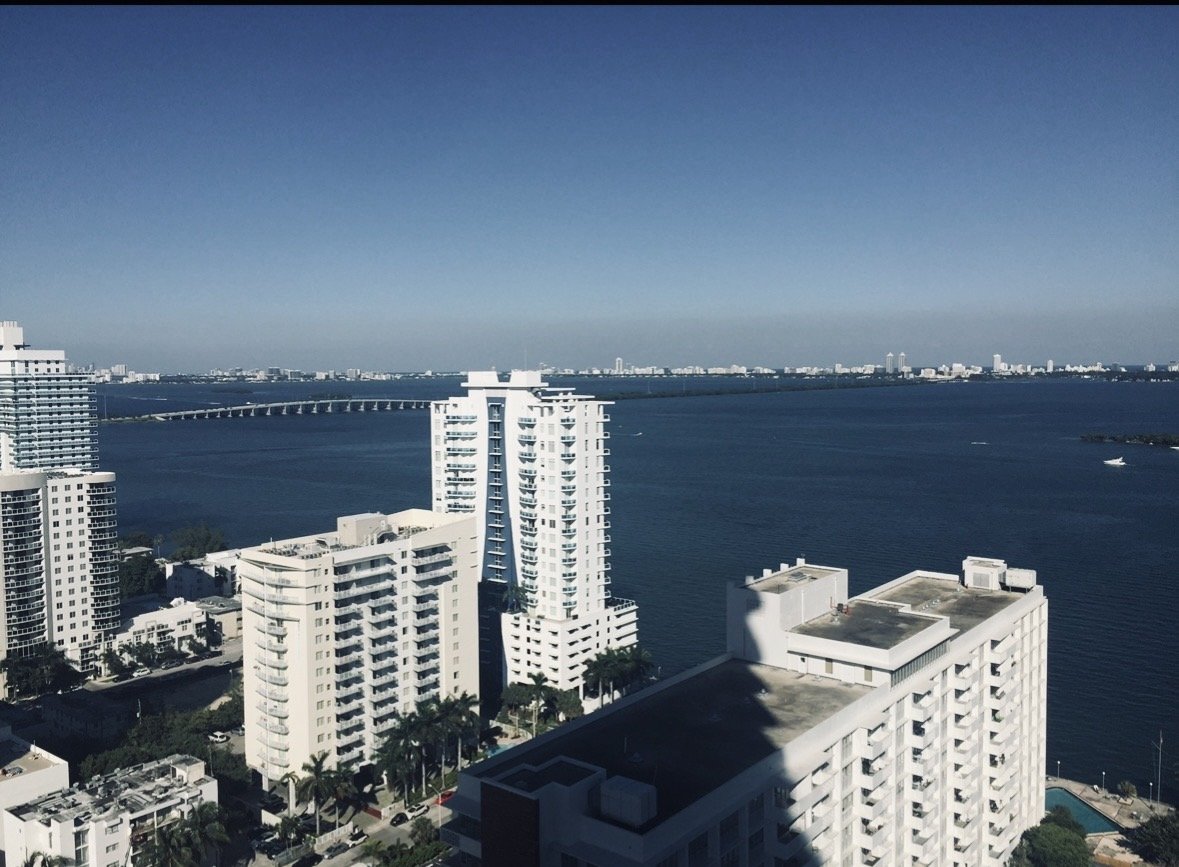





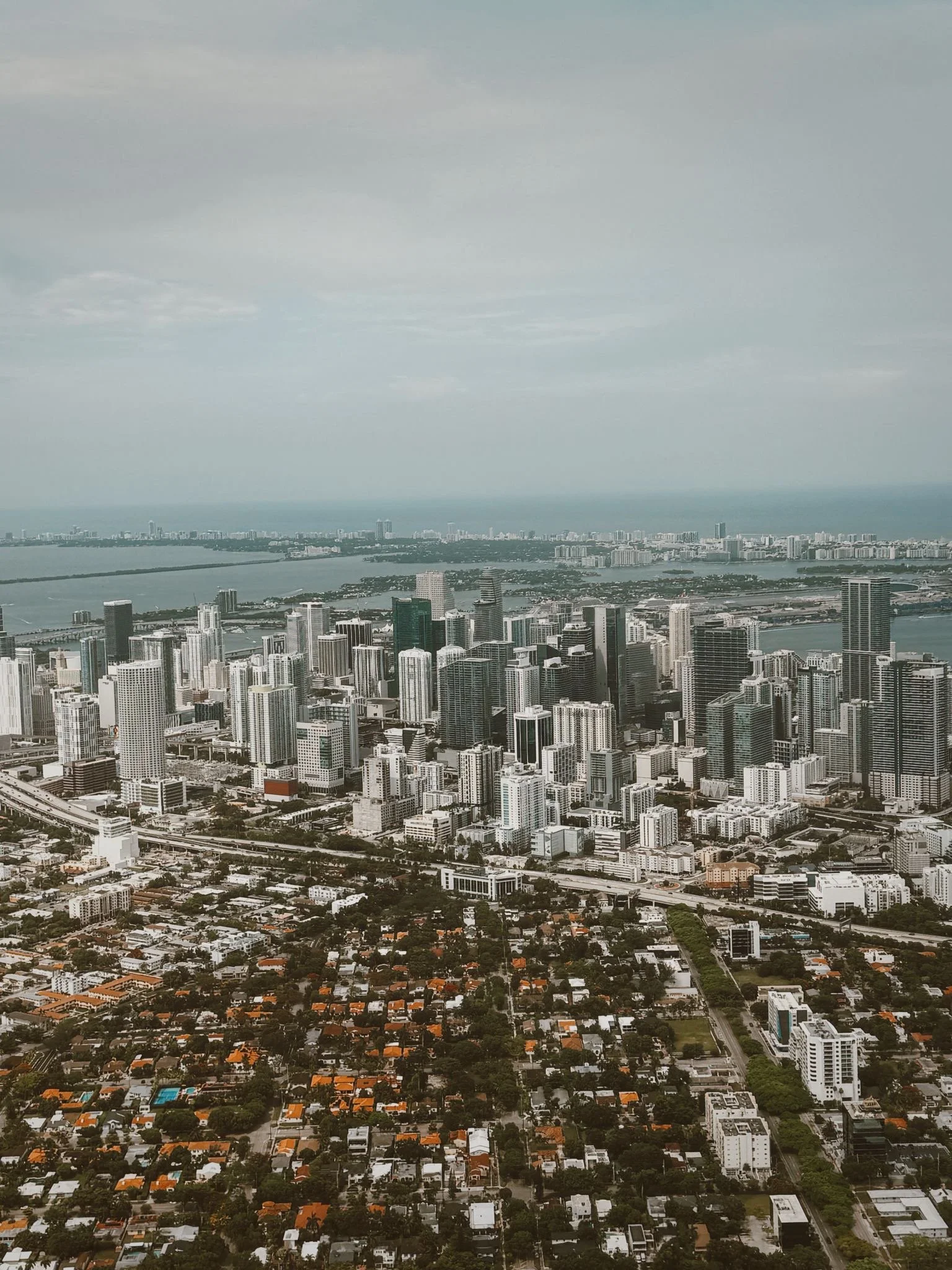
Miami condo prices need more than a building average. Examine the line, floor plan, views, recent sales and ownership costs before making an offer.